These are the pieces I wrote this past week and posted to Medium. Most of my writing in recent weeks has been focused on the Novel Coronavirus outbreak, which is to be expected given how deeply it is affecting the entire globe.
My mom is in a memory care unit in Las Vegas. Elkhorn-Jones is a small, but excellent facility that specializes in Alzheimer’s and dementia patients. Its staff is amazingly attentive and they keep the residents busy and engaged, which keeps people like my mom on an even keel.
This is where we are at today, as the virus count increases geometrically. We have state governments attempting to shut their borders to people from other states — Rhode Island and Florida will not be the last to do this.
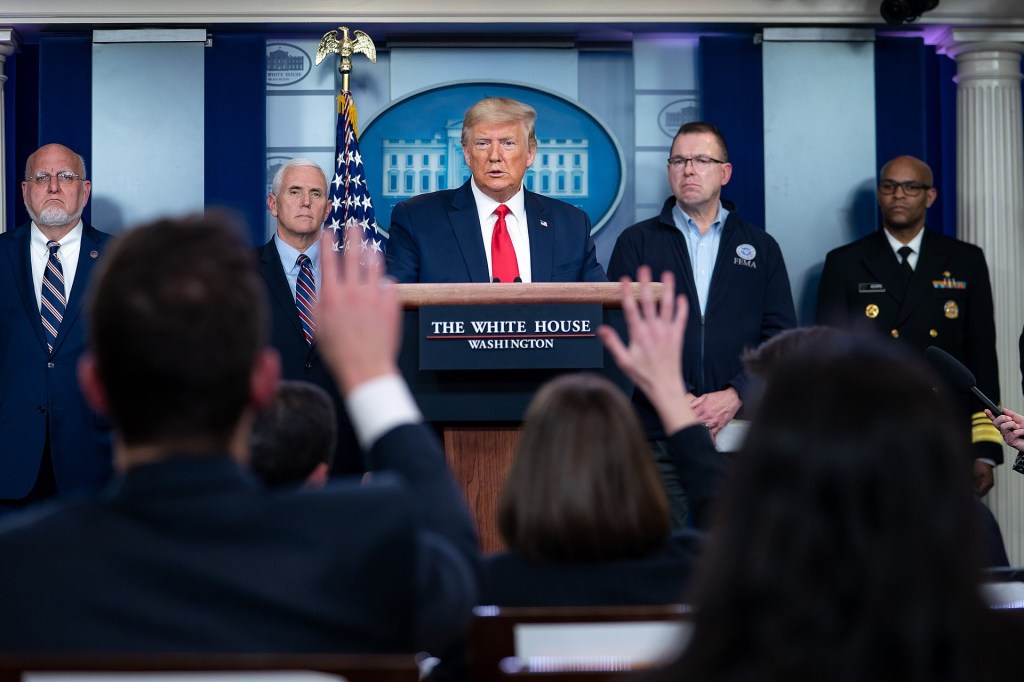
This virus is real. The impacts are real. But this is the kind of thing that happens when there is no federal leadership and when we have a president whose prescription for all ills is to close our national borders rather than to address the infections that are killing us from the inside.
Immigration? Shut the borders and, for god’s sake, don’t address the reason that millions around the globe have been forced to flee their homes — kleptocracy and corruption, climate, war, violence, broken economies, etc.
Terrorism? Shut the borders and, for god’s sake, don’t address the root causes of terrorism, which are similar to those driving the refugee crisis — corruption and a sense of lost power.
COVID-19? Shut the borders to China. Then Europe. And now, the state’s are closing their borders to other states, attempting to restrict the movement of Americans within their own country, as if the virus respects borders, as if the virus can be contained without an aggressive and unified response.
We need federal leadership. We need to nationalize the manufacture of ventilators (Trump final ordered GM to manufacture them under the Defense Protection Act, though other companies need to be doing the same). We need the manufacture of tests, research into drugs, a moratorium on mortgage and rent, on insurance payments, utility payments at a national level, which in turn would allow people to stay home without as much worry about their finances.
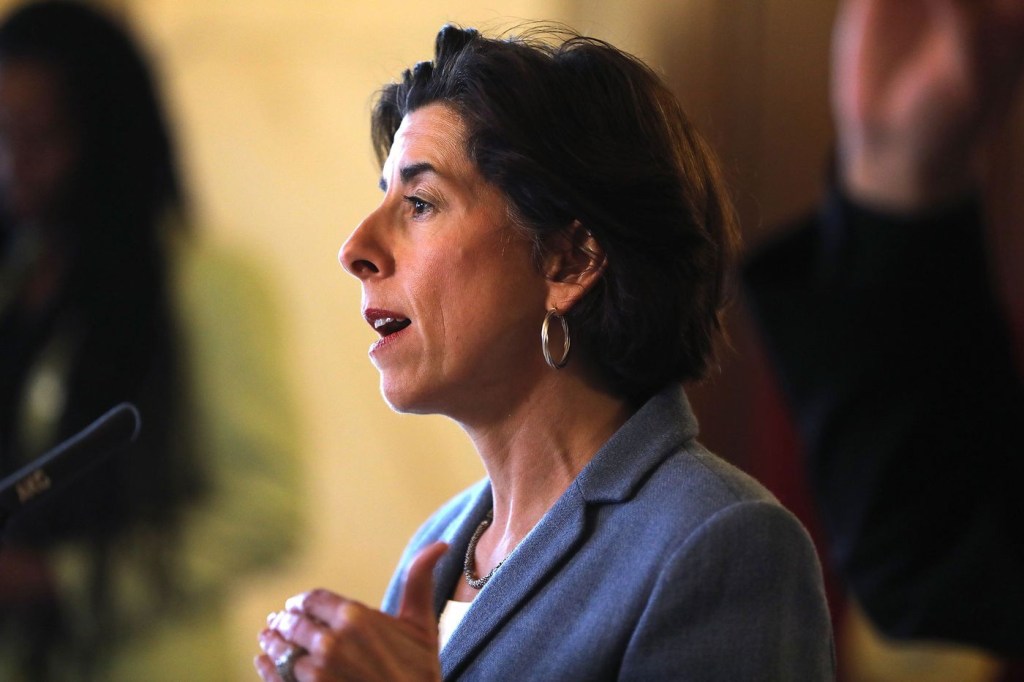
The governors of Rhode Island and Florida are doing what they think will protect their residents and, while I think their approaches are problematic, I can’t blame them.
We watch the news: Job losses. Ventilator shortages. Drive-through testing sites at capacity. New York is running out of hospital beds. This is what why public health officials say we need to flatten the curve — to slow the spread of the coronavirus and allow us to provide healthcare without being overwhelmed, which is likely to lead to shortages and rationing. It’s what we’ve witnessed in Italy, and we would be foolish to assume that it can’t happen here.
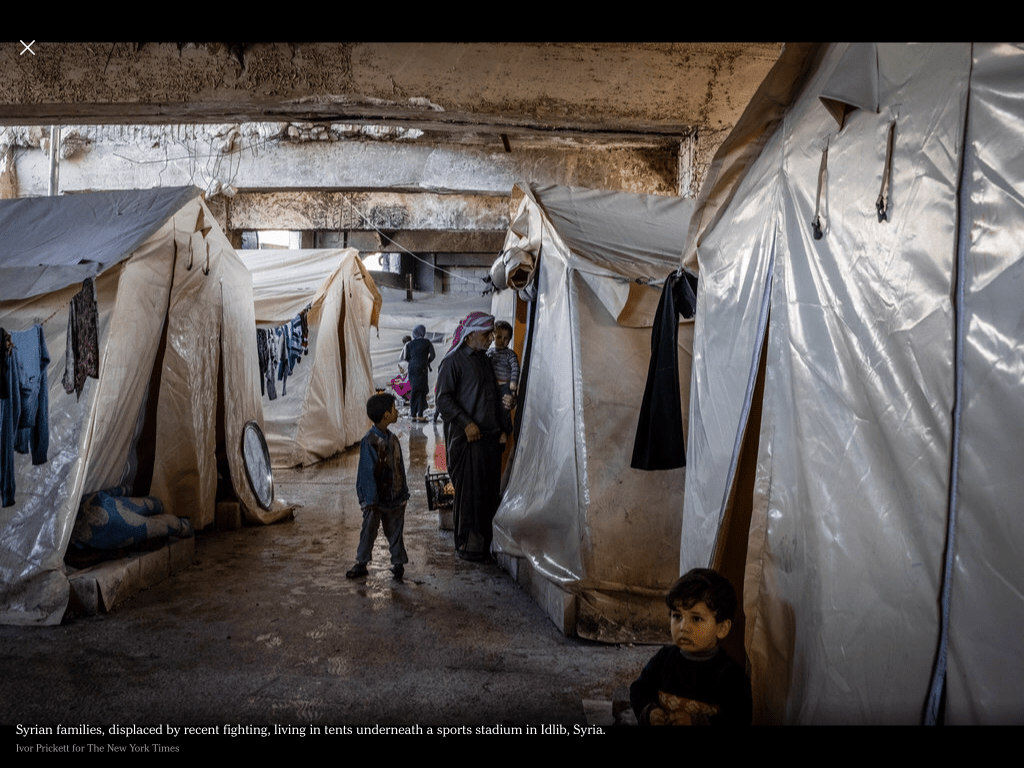
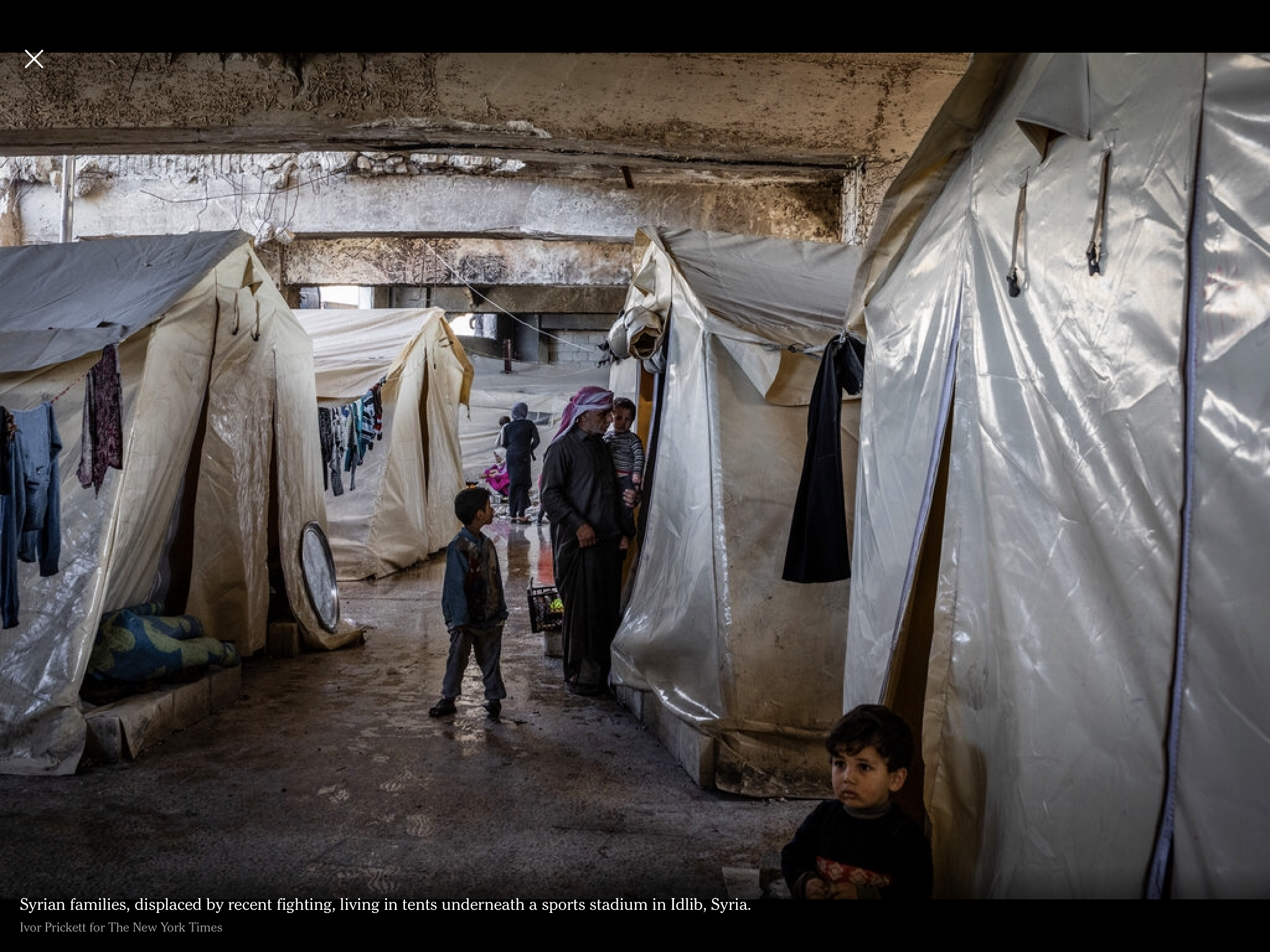
But we’re healthy. We’re stocked up, prepared for the most part. This is not the case for all. The Times today reports on what it calls the “most vulnerable,” those in refugee camps who have fled war and famine and are packed into camps that lack even the most basic sanitary conditions. “(I)nternational health experts and aid workers,” the Times reports, “are increasingly worried that the virus could ravage the world’s most vulnerable people: the tens of millions forced from their homes by violent conflict.”



 Hank Kalet