
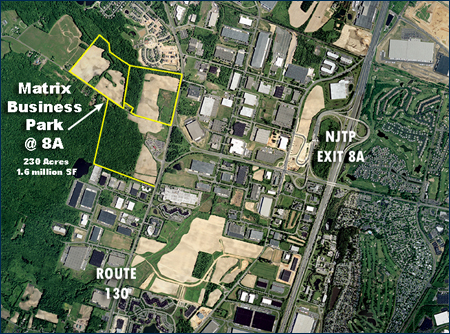
The denial last week of an application by the Matrix Development Group to build a 744,000-square-foot warehouse at the corner of Route 130 has created quite a stir.
Residents in the Four Seasons adult community, which abuts the Matrix property, and other warehouse foes were ecstatic (read this post from The Blog of South Brunswick), while others were not so sanguine.
Here is an excerpt from a letter from Paul Murray that ran in today’s Post:
Here is a case of everyone involved coming out losers, except, perhaps, Matrix.
Now Matrix will go to court. Matrix may get everything asked for and maybe even more. The township pays the court costs and the senior community will get stuck with the initial warehouses plans.
It appears to me that a great opportunity to compromise has been lost.
As I wrote earlier in the debate, this was not an easy issue. The Matrix plan essentially conformed — aside from a variance and some waivers — and the developer probably had a sense that it should have been approved without much fuss.
But the question is whether the zoning in place is correct now that the senior housing is in place and whether a planning board has the right to consider community attitudes when judging a plan like this.
Should Matrix sue — its lawyers said they would continue to pursue the project but did not say how — I have a suspicion they might win. Does this mean the Planning Board was wrong to deny the application outright, as Dr. Murray has argued? No. I agree that there will be need for some kind of compromise, but I believe the board should have some discretion to listen to residents, otherwise the board is nothing more than a rubber stamp for development interests.
If the courts side with Matrix on this, it will be because the state’s land-use law is rather archaic and protects property rights above all other considerations. There is a need for revision of the municipal land use law to grant more power to communities to take into account health, safety and quality-of-life issues at the time of an application and not just when the master plan is drafted or a municipality’s zoning code is approved. Too often, the detrimental effects that a development might have on neighboring properties does not become apparent until well after the zoning is in place and it is not enough to say that the master plan will protect us.
While it often does, it also doesn’t in too many cases.
South Brunswick Post, The Cranbury Press
The Blog of South Brunswick
E-mail me by clicking here.
 Hank Kalet