 Bruce Springsteen
 turns 61 today — which makes me feel old. I can remember when I first became interested in Springsteen’s music 32 years ago (at age 16) with the release of
Darkness on the Edge of Town. The album had an edge and life that much of what I was listening to at the time lacked, and it sent me back to his earlier albums and forced me to rethink my whole approach to music.
I don’t have HBO, so I won’t be able to watch the Springsteen documentary until the special edition box set comes out in November. The box set — three CDs (a remastered version of the album and alternate takes of the originally planned album The Promise, along with two DVDs of documentary and live footage) is the kind of release Springsteen-ologists would have liked to see when The Boss issued the 30th-anniversary Born to Run package five years ago.
One of the things I’m interested in is the sound. Darkness was a shift in production from BTR, moving from a massive wall-of-sound approach to something more nuanced in which the individual instruments stood out more. It was intentional, according to interviews I read, and it fit the dark, desperate material perfectly.
On Darkness, Springsteen moved away from the sprawling lyrics chronicaling the last-gasps of youth that characterized his first three efforts and focused on the broken dreams plaguing working-class 20-somethings — the dead-end jobs and fruitless attempts to hold on to a moment in time that could not be held onto — a set of themes that would govern his songwriting for the next decade.
I won’t call it poetry — rock lyrics are not poetry — but Darkness flows from a poetic spirit and is part of my poetic foundation.
- Send me an e-mail.
- Read poetry at The Subterranean.
- Certainties and Uncertainties a chapbook by Hank Kalet, will be published in November by Finishing Line Press. it can be ordered here.
- Suburban Pastoral, a chapbook by Hank Kalet, available here.

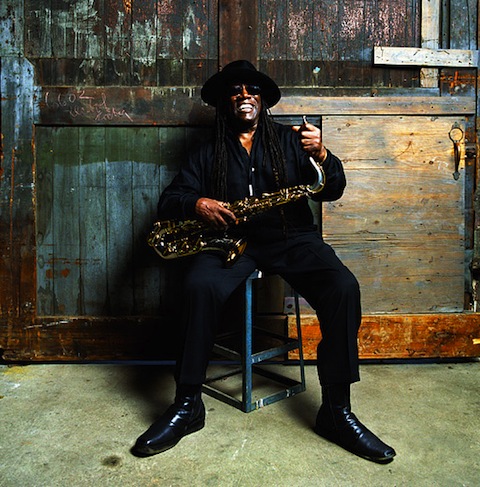

 Hank Kalet
