An adult in charge

http://www.politicaliq.com/dbox4_distributed.swf
Does this quote, from President Barack Obama, signal that we have an adult in the White House?

“I’ve got to own up to my mistake, which is that ultimately it’s important for this administration to send a message that there aren’t two sets of rules,” Mr. Obama said in an interview with NBC News. “You know, one for prominent people and one for ordinary folks who have to pay their taxes.”

I mean, admitting when you err is, well, one of those things that separates the well-adjusted and mature adult from the juveniles of this world.

(Of course, we will have to see if the president learns anything from this….)

A political full-court press

The first few weeks of the Obama administration, from a progressive perspective, have been mixed. Forget the failed appointment of Tom Daschle — that is a minor hiccup, as Rachel Maddow pointed out last night — and consider the actual policies:

  • Telling the EPA to stop sitting on California’s request for an emissions waiver so that the state and 12 others can impose much harsher requirements on auto.
  • Ordering the closing of the Guantanamo prison and rebuking the Bush administration’s stance on torture.
  • Reversing a policy that banned international groups that received U.S. aid from even discussing abortion.
  • Including not only roads and bridges in his stimulus plan, but also green technologies, expanded broad-band access, new schools and aid for homeowners to make their homes more energy efficient.
  • Passing the expansion of SCHIP.

On the other hand, he has allowed the GOP to control the debate over the stimulus and peopled his cabinet with old Clinton hands and Republicans — essentially, the very people who got us into the economic mess we’re in.

As I’ve written, there are two Obamas — the progressive-leaning, former community organizers and the cautious conciliator. This internal conflict makes it imperative that progressives (liberals, lefties, etc. — whatever it is you want to call us) apply pressure.

It is what David Sirota, who has become one of the more indispensable bloggers out there, calls

“The Make Him Do It” Dynamic – that is, how congressional progressives – with the help of the progressive movement – were having success pushing President Obama to take much stronger stands on issues than he seems inclined to take.

It is exactly the kind of active engagement that the liberals avoided during the 1990s, allowing a Democratic president to drift to the right and marginalize his own party’s populist and progressive elements.

Whereas, Clinton-era disengagement resulted in the “end of welfare as we know it,” a Draconian crime bill, NAFTA and so-called reform of the telecommunications, banking and insurance industries (really nothing more than deregulation), Obama-era engagement already is having its successes.

Consider this news:

The Obama administration outlined plans today to tighten restrictions on executive compensation for future recipients of federal aid under the government’s financial rescue program, but the large majority would be able to opt out of most of the limits.

Companies that take the largest chunks of help would face mandatory restrictions on compensation for their senior executives: no more than $500,000 in salary, and no additional compensation other than shares of the company’s stock that can only be redeemed after the government investment is repaid.

Those same rules, however, would be voluntary for most recipients of government aid. Companies could waive the restrictions by informing shareholders.

The rules are part of a broader effort by the Obama administration to address mounting public anger over the government’s efforts to rescue firms at the heart of the economic crisis.

This is, as David Sirota points out, a major about face for the administration, which had said publicly that it opposed such limits. So what happened?

Sirota, who has become one of the most indispensable of bloggers, points to engagement of real progressives and a grassroots push that forced moderates like U.S. Sen. Claire McCaskill (D-Mont.) to start singing populist tunes. U.S. Sen. Bernie Sanders (I-Vt.), for instance, has been getting regular facetime on the issue, which has helped inject populist sentiment into the coverage.

This is a huge victory for the progressive movement, and augurs well for “The Make Him Do It” Dynamic in the weeks and months ahead.

But only if progressives keep applying pressure and injecting themselves into the public discussion.

This full-court-press approach — lefty populists appearing on TV and forcing their concerns into the debate, labor unions and community groups organizing to catch the ears of their elected representatives — is needed to cut through the TV clutter. The voices of Bernie Sanders, Rep. Dennis Kucinich (D-Ohio), Sen. Sherrod Brown and Rep. Peter Fazio (D-Ore.) are needed on television, along with labor leaders and others to make it clear that there will be a political price to pay for elected officials from both parties if the stimulus fails to get through Congress or gets watered down.

Catching a cab or caught in a cab

This police item from Morristown was just too odd to pass up, even if it isn’t in our immediate coverage area:

Cops: Man robs store, waits for cab, gets caught

MORRISTOWN — A man who allegedly robbed an Elm Street phone store at knifepoint on Monday afternoon and fled the scene was found about a block away waiting for a cab, police said.

According to police, “Eric Scottland, 19, of Morris Township” stole about $300 from Phones Are Us in Morristown and fled. Police discovered someone matching Scottland’s description, according to the story, “in the rear of a Morris Street business, about a block away from the store.”

Why hang around, you ask? The answer is what makes this worth reading:

The man, who was later identified as Scottland, had called a local cab service and was waiting for the car when he was found, police said.

I guess there wasn’t a bus that ran in the area.

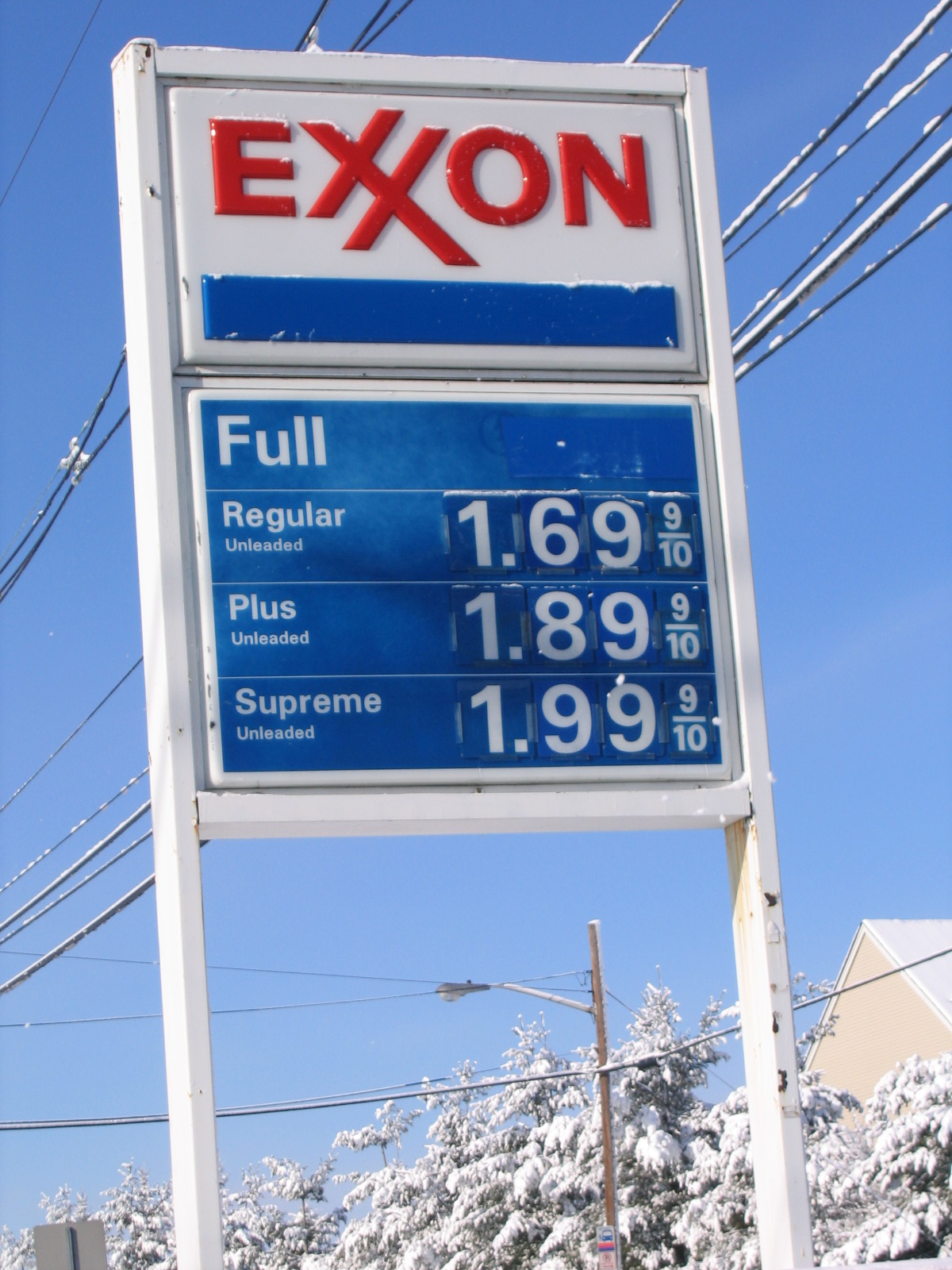
Climbing fuel prices shouldn’t surprise

Drivers may wonder why gas prices are on the rise again, given that the factors that usually drive cost — demand, the commodities market — would seem to favor lower prices.

That wonder, however, would be misplaced. While the recession helped drive prices down from their record levels of last summer, December and January fuel prices were artificially low.

AAA Mid-Atlantic, in a press release, hints at this:

Gasoline refiners have been severely cutting back their output of gasoline either by design or due to “maintenance and operational issues”. Which has industry watchers who trade gasoline futures expecting that OPEC and US refiners will be able to cut output enough to bring supply and demand into balance over the next few months.

Which implies that supply and demand have been out of balance — leading to the wild swings we’ve experienced over the last year or so.

Balance, however, is an elusive quality and, like beauty, in the eye of the beholder. Drivers obviously desire that “balance” lead to low fuel prices, while the oil companies have a different sense of what it means.

The reality is that we have lived for a long time with artificially low fuel prices that have encouraged an unsustainable style of living that will have to change — both for environmental and longterm economic reasons.

Winter wonder

I have a love-hate relationship with winter, as I suspect most people do. I hate the bone-chilling cold, the black ice that makes driving hazardous, hate shoveling snow from the driveway and sidewalk and brushing it from the car.

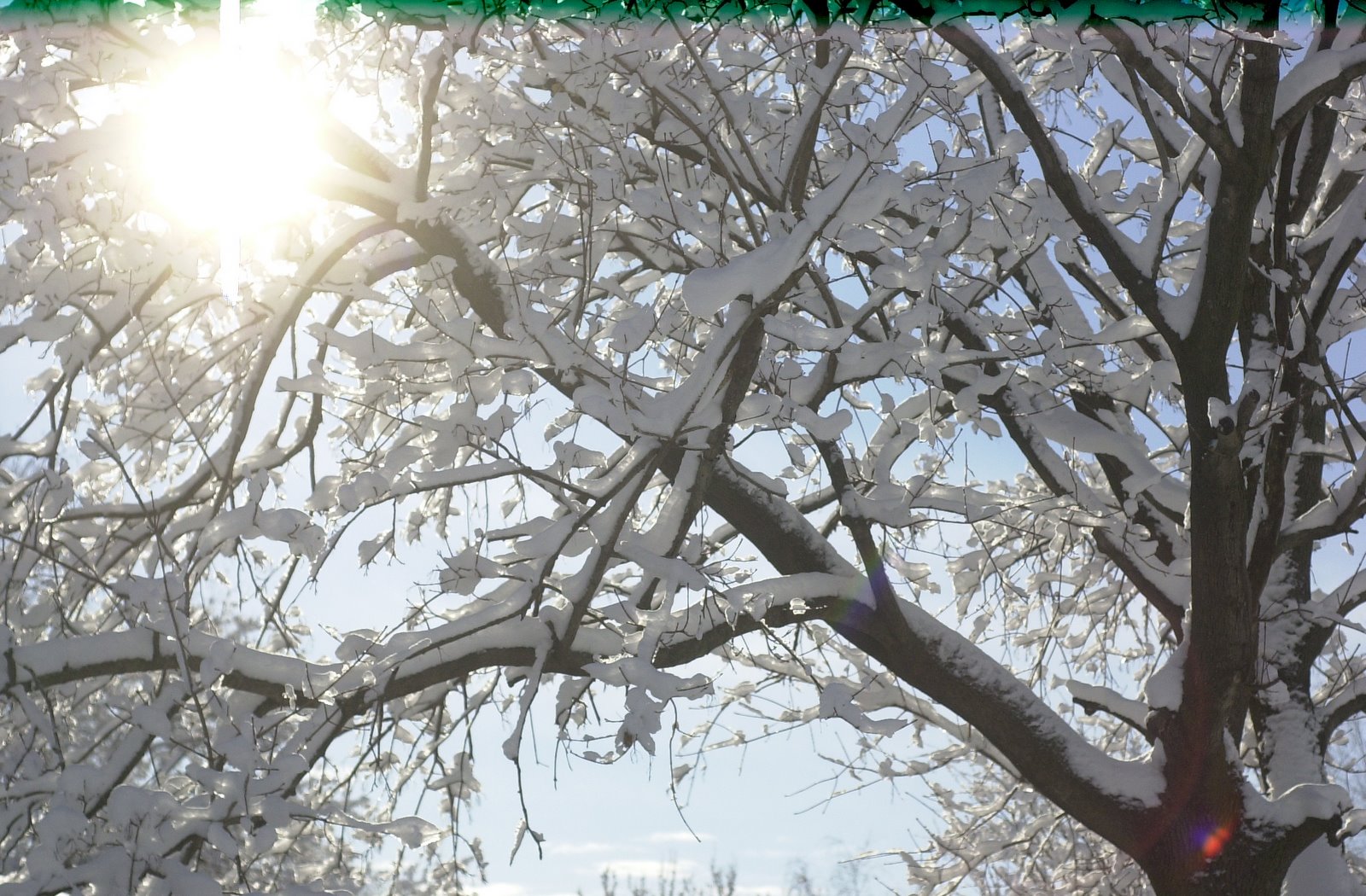
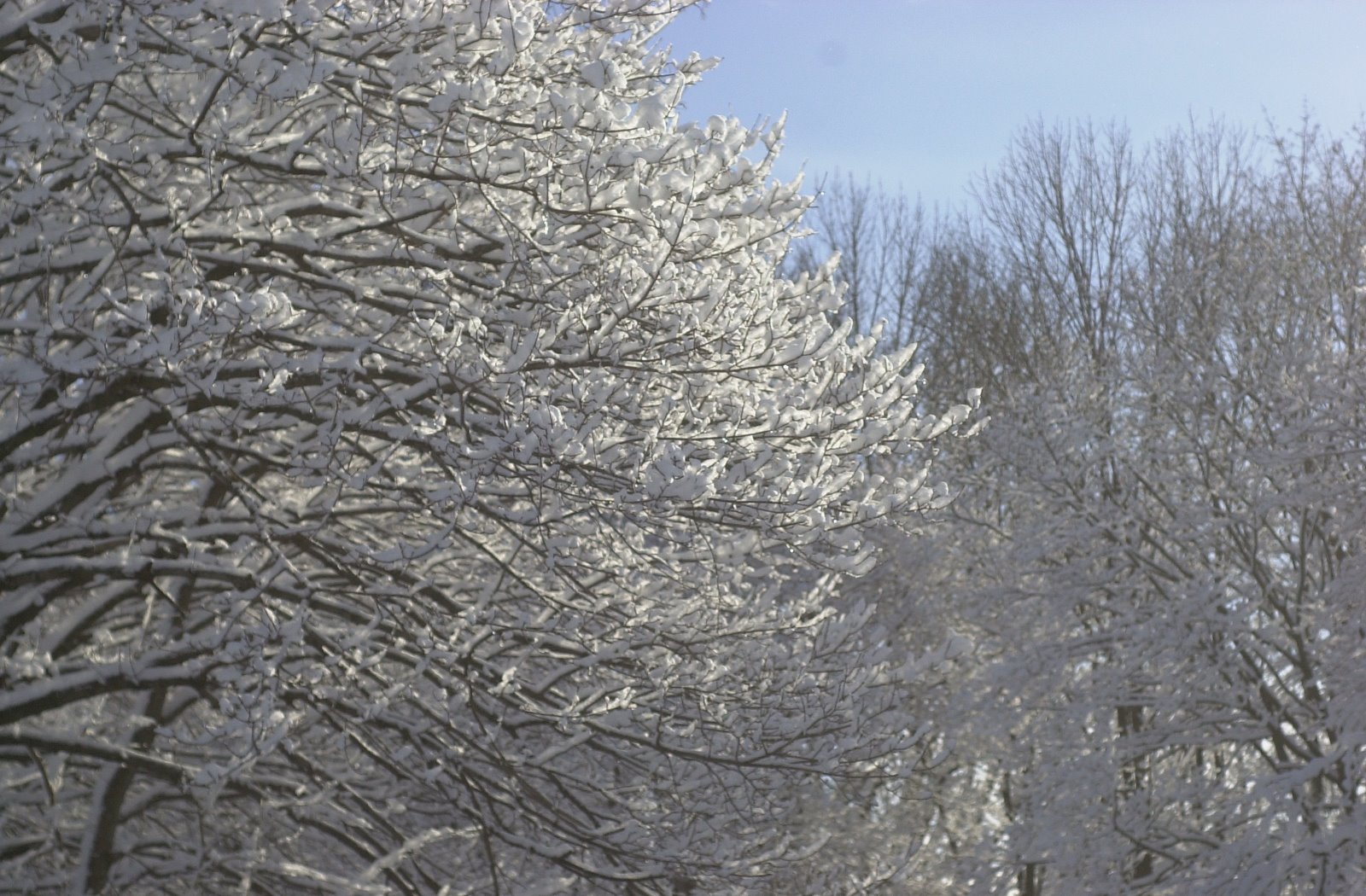
And yet, there are things about winter that are rather spectacular and spiritual, those small moments when we catch the light filtering through the snow-covered trees reminding us that beauty lurks in the most mundane of places, that our focus on just finding a way to get by day to day can obscure the wonders of what surround us.

These wonders, for me, are an indication that there is something much greater than us in the world — god, perhaps, something that ties all of this together beyond biology and chemistry and physics.
Don’t misunderstand me, though. I do not subscribe to the so-called “intelligent design” theory, which posits an overarching plan for the world as if god (I am being deliberate in my use of the lower-case) were an architect with a pencil and T-square, taking pains to map out each little movement forward toward perfection.
I believe, as readers of many of my poems might have noticed, in randomness and imperfection, in the notion that things are as they are at any given moment and that change occurs either by accident or because we actively seek it. There is no utopia toward which the human race and the planet move, only the now, which is the only time we have.
So what of god, then? It is in he acceptance of this imperfection and impermanence, the pushing ahead, loving, living, creating, working to improve the lot of man and beast, despite the chaos, maybe because of the chaos, it is in this that the connection, the awareness of a greater entity outside of the self, what Buber calls “Thou” and others call god, can be found.
(Photos: Hank Kalet)