The power of the slush fund

Why Sharpe James needs a campaign war chest is beyond me. The former Newark mayor and state senator was convicted on corruption charges, but continues to control thousands that he can use to influence people still in office.

Assemblyman Ronald Dancer (R-Ocean) thinks it’s “beyond absurd,” and he wants the state to end the practice. He’s introduced legislation that would require “any candidate convicted of crimes or offenses to return campaign contributions to donors” and would freeze “most campaign funds of candidates indicted for crimes or offenses.” Assemblyman Wayne DeAngelo (D-Mercer) is the co-sponsor.

“Allowing them to spread their influence from inside a prison is unconscionable. It’s no wonder the public has lost confidence in its elected officials. This legislation is needed to put an end to this reprehensible practice.”

These campaign funds contribute to the culture of corruption that plagues government at all levels on the state. Campaign money should be viewed, in its most naked form, as a legal system of bribery. Contributors buy access with donations, and often expect — and get — much more.

Campaign funds like those held by James are about power and favors, with James and others — everyone from Tom Kean Jr., Sheila Oliver and even the governor — wielding the cash to reward friends and punish enemies.

The bipartisan nature of the problem requires a bipartisan solution. This bill is a good start.
Economic doldrums in pictures

A friend of ours had a baby yesterday, so my wife wanted to swing by The Children’s Place Outlet in the Marketplace on Route 27 for some gifts.

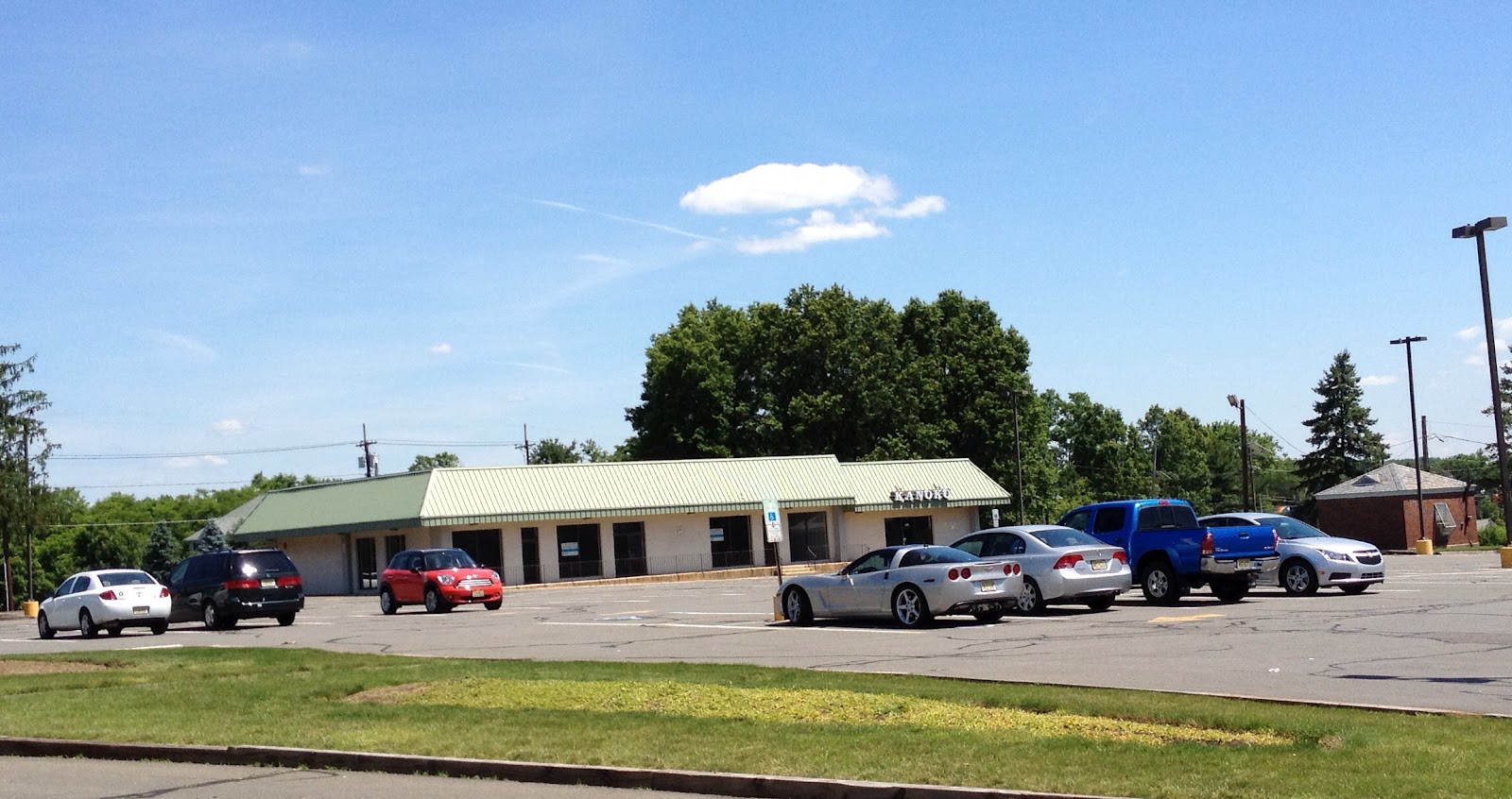
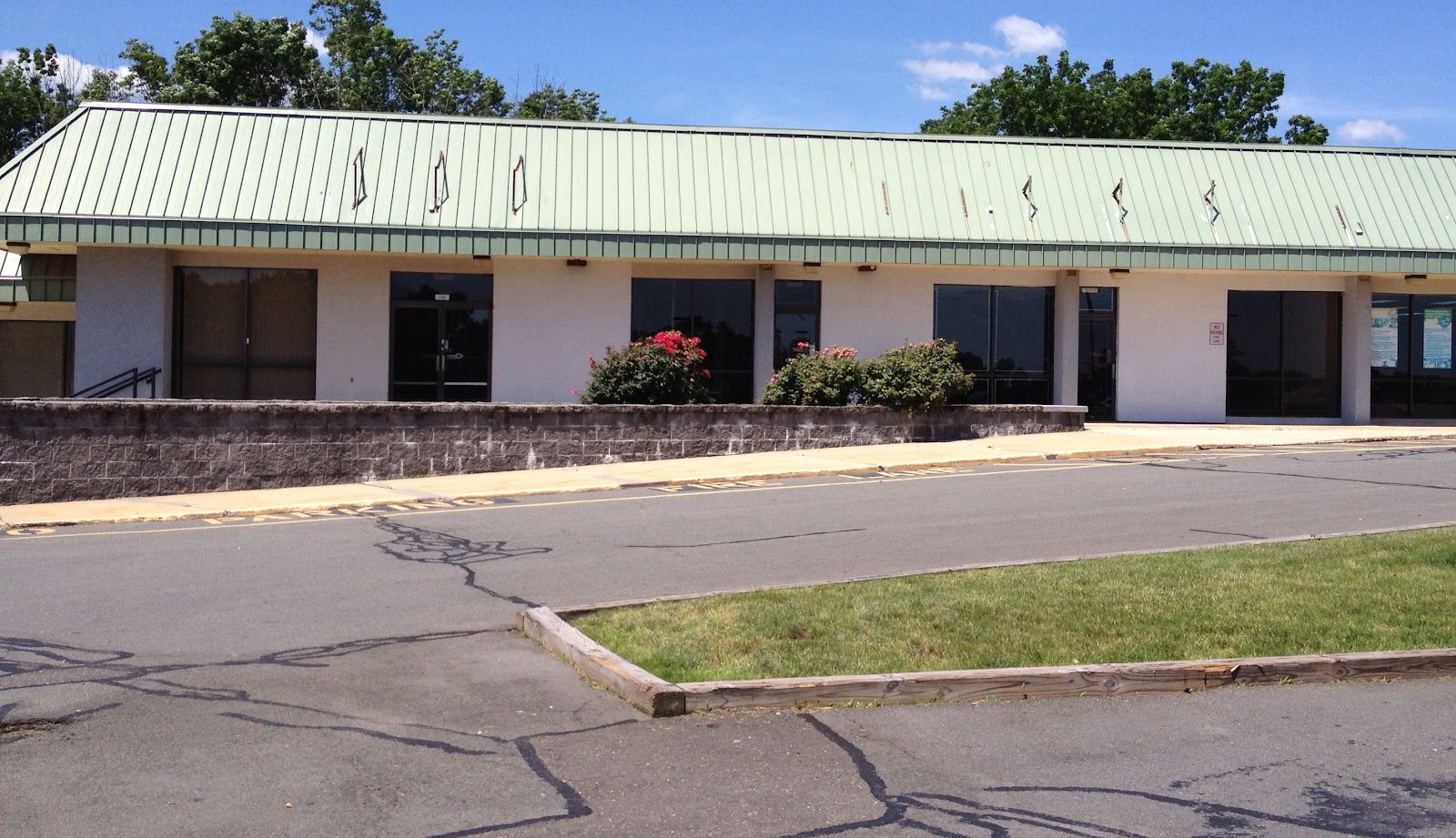
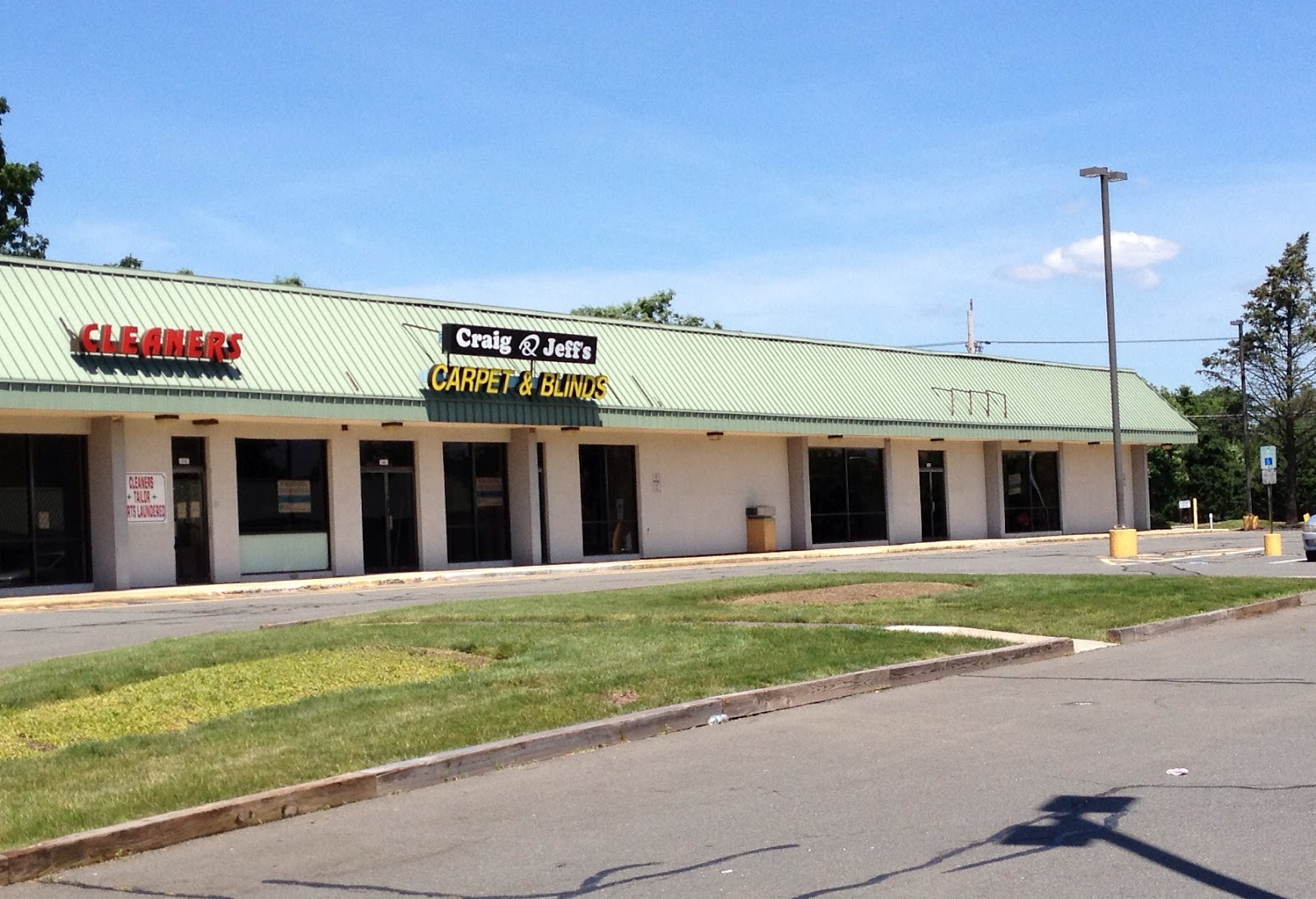
The outlet always is busy, which makes the vast emptiness that characterizes the rest of the center that much more startling. There are maybe four open retail shops here — representing maybe a quarter of the usable space.

Part of the reason is that the center is old and in need of renovation. But that’s only part of it. A newly built strip mall down the street and the recently upgraded Kendall Par Shopping Center (now Town Place) also have large amounts of empty retail space.

Vacant storefronts, unfortunately, are the norm these days — it is nearly impossible to find a mall of any size that can claim no vacancy. Add this to the stagnant job market and one really has to question the president’s assertion that the private sector is holding its own and the governor’s boast of a New Jersey miracle — proving that both parties are out of touch with what is happening out here in the real world.

  • Send me an e-mail.
  • Read poetry at The Subterranean.
  • Certainties and Uncertainties a chapbook by Hank Kalet, will be published in November by Finishing Line Press. It can be ordered here.
  • Suburban Pastoral, a chapbook by Hank Kalet, available here.

Selling off dorm space or just another sell out?

Buried in an NJ.com story on a potential state bond vote that could provide a much-needed $750 million in construction money to the state’s colleges was this little gem:

Lawmakers also want to give college presidents the power to leverage revenue-producing assets like dormitories to entice developers to build academic buildings and research centers. Under the bill, which will be considered by the Senate Budget and Appropriations Committee on Monday, colleges could give developers the rights to dormitory fees and other revenue streams in exchange for financing construction projects.

The story offered nothing more, but the paragraph should be a red flag for New Jerseyans concerned about the privatization of public resources. Like former Gov. Jon Corzine’s effort to sell off the lottery and the Turnpike and Gov. Chris Christie’s plan to privatize state park management, the long-term outlook for leasing out college dorms to developers seems not to be part of the discussion.

If I’m reading this correctly, schools would be allowed to turn over their dorms and other facilities in the hopes that these developers will use the proceeds to help fund on-campus construction. What this in fact would mean is that developers old generate profit from college dorms, and possibly push campus housing costs up.

These partnership always are sold as win-win, as a way to impose market efficiencies on public budgets, but efficiencies rarely occur and if they do they are at the expense of the people being served.

Tent City v. the police

Check out the news on our latest visit to Tent City, the arrest of Minister Steve and some thoughts on homelessness in New Jersey at The Tent City Project blog.

  • Send me an e-mail.
  • Read poetry at The Subterranean.
  • Certainties and Uncertainties a chapbook by Hank Kalet, will be published in November by Finishing Line Press. It can be ordered here.
  • Suburban Pastoral, a chapbook by Hank Kalet, available here.

Robbing Peter to pay Paul with Mary’s money

I read Tom Moran’s column this morning on NJ.com with a weary sense that I’d read it all before. The argument, which was pretty much on target, was that the governor and e Democrats are doing the state a disservice by pushing a fiscally irresponsible tax cut that will make a lot of people happy heading into a state election year, but will have disastrous effects down the road,

The argument alludes to a state history in which all the players dismissed reality, crafting fiscal policies that ignored the anticipated impacts for short-term gain at the polls. This is what created the sense of deja vu I felt.

To understand where we are, we need to remember where we’ve been. In 1990, shortly after he was sworn in as governor, Jim Florio proposed what was then the largest tax hike in state history. It was designed to plug a looming deficit and address an anticipated state Supreme Court ruling that would force the governor and Legislature to equalize spending for urban school districts.

The response was a tax revolt, which ultimately led to the election of Christie Whitman and a massive income tax cut that was paid for via a revaluation of the state’s pension plans, which in turn was designed to allow the state to shrink its payment obligation.

Jim McGreevey doubled down on Whitman’s sleight-of-hand, with an assist from a Legislature willing to boost benefits without any thought being given to paying the bills.

Richard Codey and Jon Corzine both took small steps to fix the imbalance — very small steps — before Christie came in and used the imbalance as a political cudgel. He forced reforms — some of which were needed — but also made it clear he wasn’t going to keep making payments. That has resulted in a widening of the gap between obligations and funding and a fiscal disaster not too far off down the road.

The problem here — and Moran is as guilty as anyone following this — is that we have defined the pension problem as one of payouts and not one of funding. Public workers, under his paradigm, are the cause, their too-generous benefits bankrupting the state.

Had someone had the guts 17 years ago to call Whitman on her shell game — and then to hold her successors to the same standard — we might be having a very different discussion.

Instead, we have a governor who attacks public workers and wants to cut taxes for the better off in the state, a Democratic majority interested only in re-election and voters as shortsighted as the politicians about whom they endlessly complain.