I’ve annotated last night’s Donald Trump speech, which you can find here. Here is my overall point:
Remarks by President Trump in Joint Address to Congress
― Remarks by President Trump in Joint Address to Congress | whitehouse.gov
Send me an e-mail.

I’ve annotated last night’s Donald Trump speech, which you can find here. Here is my overall point:
Remarks by President Trump in Joint Address to Congress
― Remarks by President Trump in Joint Address to Congress | whitehouse.gov
Send me an e-mail.
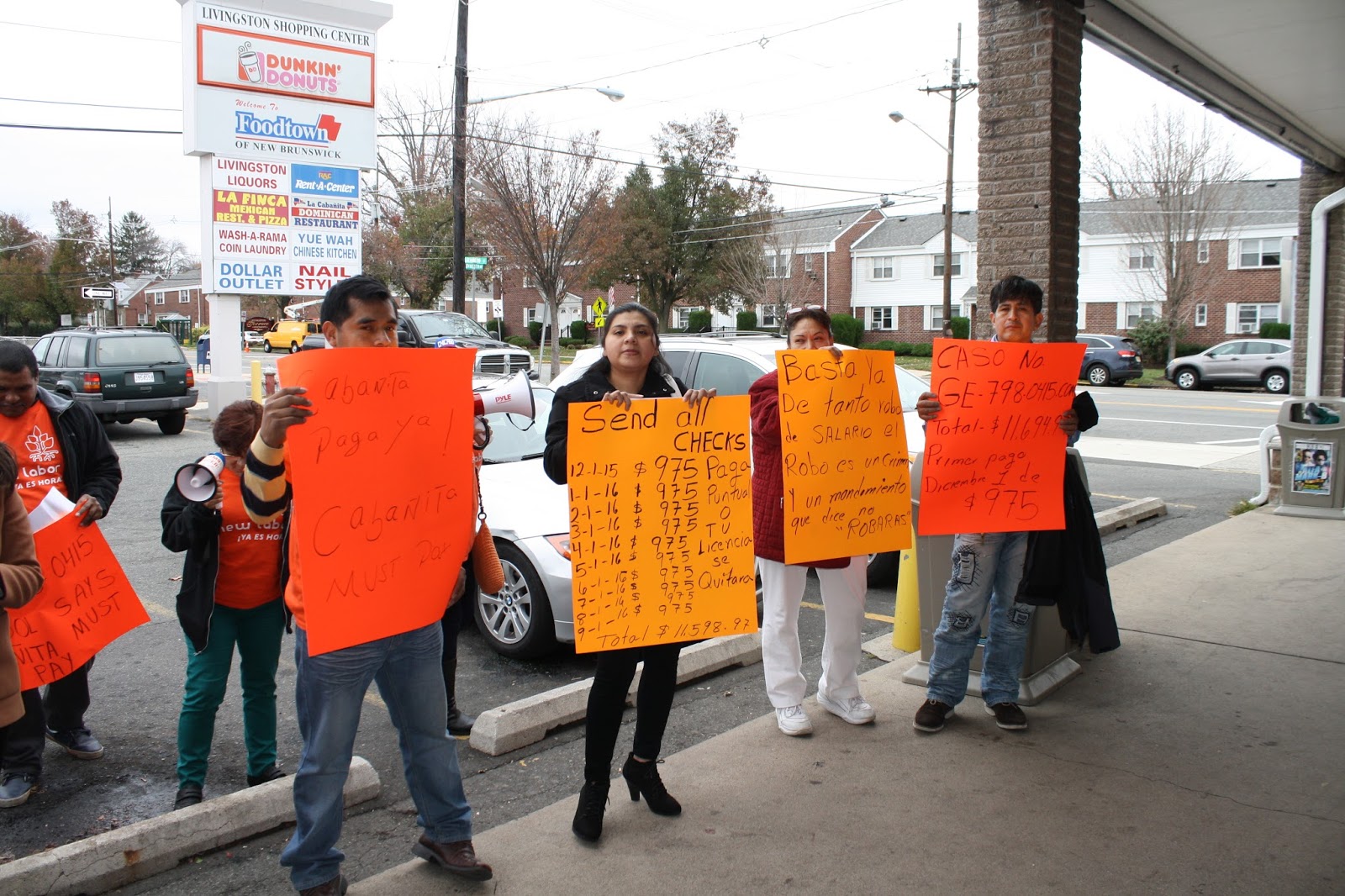 |
| A 2015 wage-theft protest in New Brunswick. |
The Trump administration’s focus on deportation — in particular, its expansion of deportation priorities and the recent multi-city raids — have had the expected effect. It is driving New Jersey’s unauthorized population back into the shadows.
As my friend and colleague Colleen O’Dea at NJ Spotlight reports this morning, “Rumors of impending raids have engulfed various parts of the state in recent weeks.” One, in particular, triggered last week’s protest in Elizabeth, and I’ve been hearing rumors of others elsewhere in New Jersey — though none that I could verify.
O’Dea, reporting on an Assembly hearing, quoted Brian Lozano of the Morristown-based Wind in the Spirit:
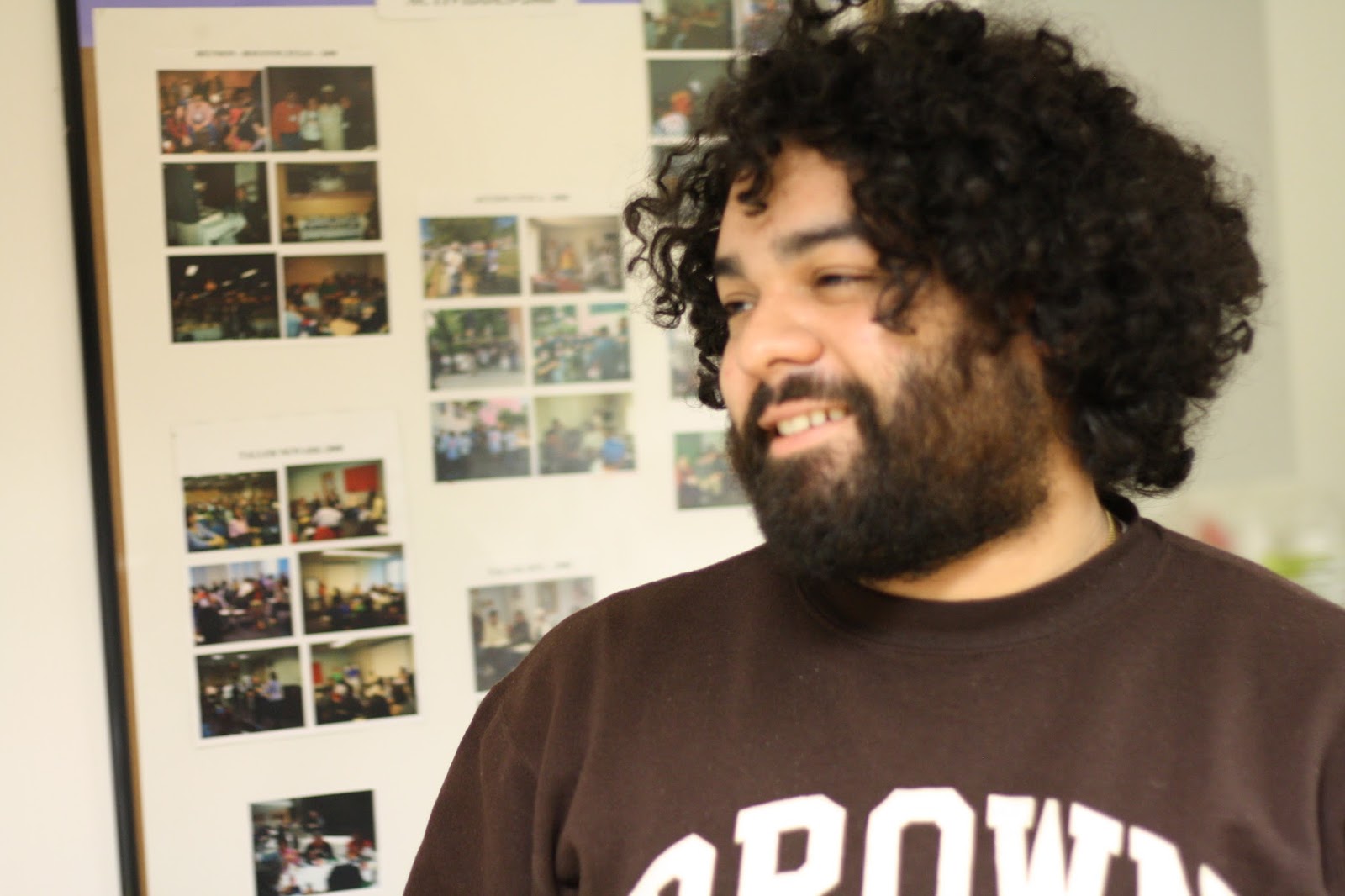 |
| Brian Lozano |
“Where usually Dover is a very vibrant downtown and economy, at 7 pm, it was a ghost town.”
At the two-hour hearing, Assembly members were treated to stories
from those affected by the new administration’s effort to find and deport those in the United States without a valid visa or green card. They heard tales of mass fear, anxiety, and confusion among immigrants, many of whom have lived in New Jersey for more than a decade, have settled down with their families, and are working or going to school. These are law-abiding, productive members of society, according to advocates, who have become terrified at the news that the government is now targeting all undocumented, not just those with criminal convictions, for deportation.
There is no surprise here. At each turn of the immigration screw — whether under Bush, Obama, or Trump, whenever there have been rumors of increased enforcement — immigrants have been forced to scurry into hiding. Over the last 10 years, I’ve probably talked with several hundred — no hyperbole on this — immigrants and their advocates. The stories rarely change. Because they lack authorization — even though they often are doing jobs most of us believe are beneath us, even though they are seeking the same thing our parents and grandparents sought, safety, stability, a chance at the slimmest bit of prosperity for them or their children — they are vulnerable. Any interaction with an official — a police officer, a hospital admissions worker, a school administrator — can lead to deportation. President Obama’s efforts during his second term, which came only after the first term’s aggressive assault on immigrants, allowed them to breath, allowed them less frequently over their shoulders.
The irony in all of this — a dangerous and immoral irony — is that one of the chief rationales for the crackdown, the protection of American jobs, is undermined by actions that turn workers into shadows, that strip them of protections. Immigrant workers, even those who are unauthorized, have labor rights. They are covered by federal and state labor laws. But if undocumented workers are frightened into the shadows, they are less likely to use these protections. This leaves them not just vulnerable to things like wage theft but easily used by employers to drive wages down, which affects not only the unauthorized but all workers.
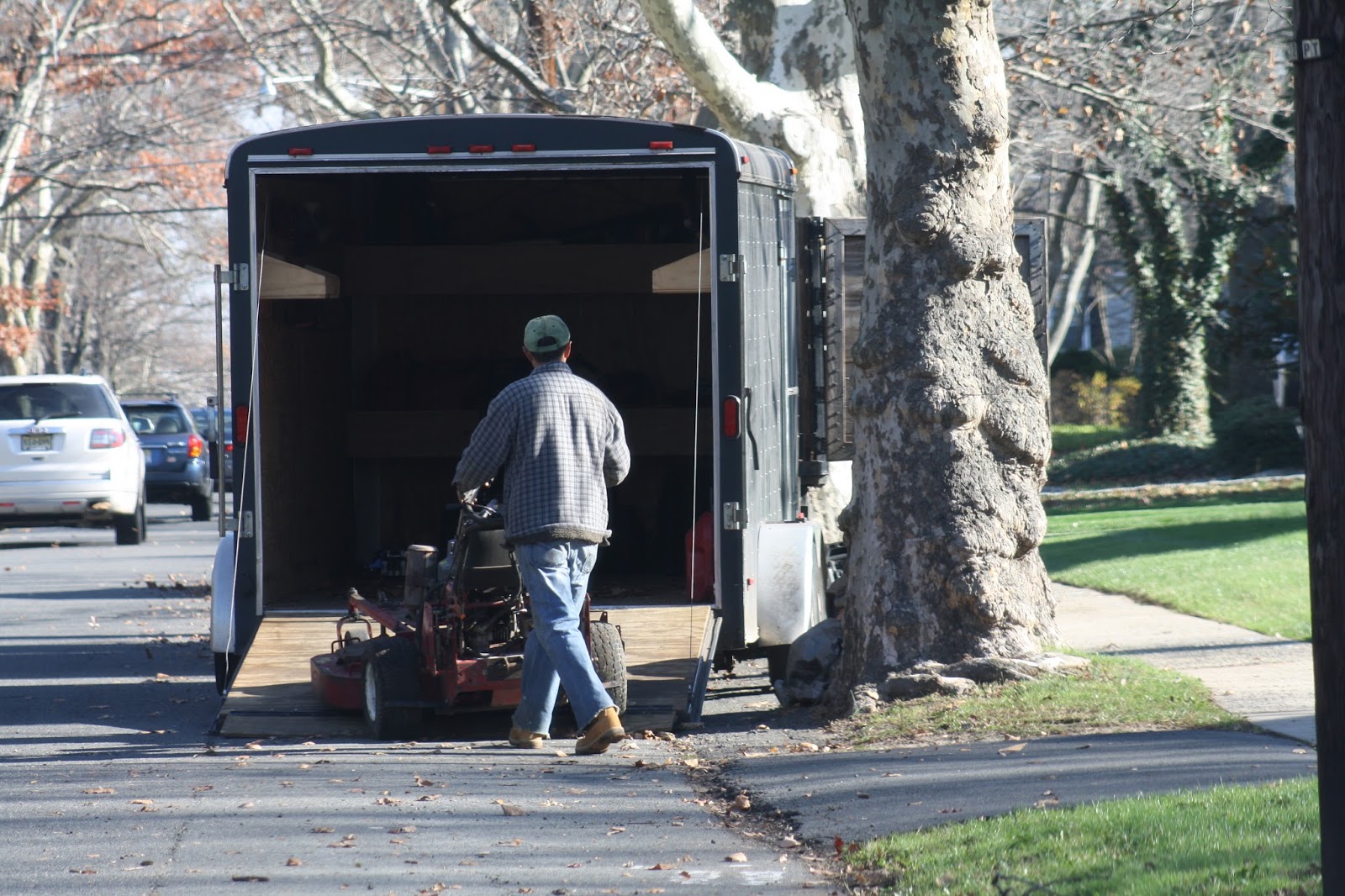 |
| Landscapers in Princeton. |
The simplistic answer offered by immigration hard-liners — that removing the undocumented eliminates this dynamic — is absurd on its face. The logistics — the cost, the impact on on policing and corrosion of rights — make total removal impossible, despite what the hard-liners say.
So, rather than creating a new sense of economic reality for American citizens who will be empowered to take the jobs abandoned by the folks we’re kicking out, jobs few of us are willing to do, we are driving the lowest-wage people into the shadows, making it easier for bosses to further suppress their wages — and, ultimately, to suppress wages overall.
The immigration debate, on the one hand and in its most public sense, about immigration, about racial and ethnic stereotyping and hatred, about fear, and about removal. But it also is about the fostering of a black market in low-wage workers.
Send me an e-mail.

I have a piece at Time Off on a poetry workshop in New Brunswick, run by the wonderful poet Glenis Redmond.
Send me an e-mail.
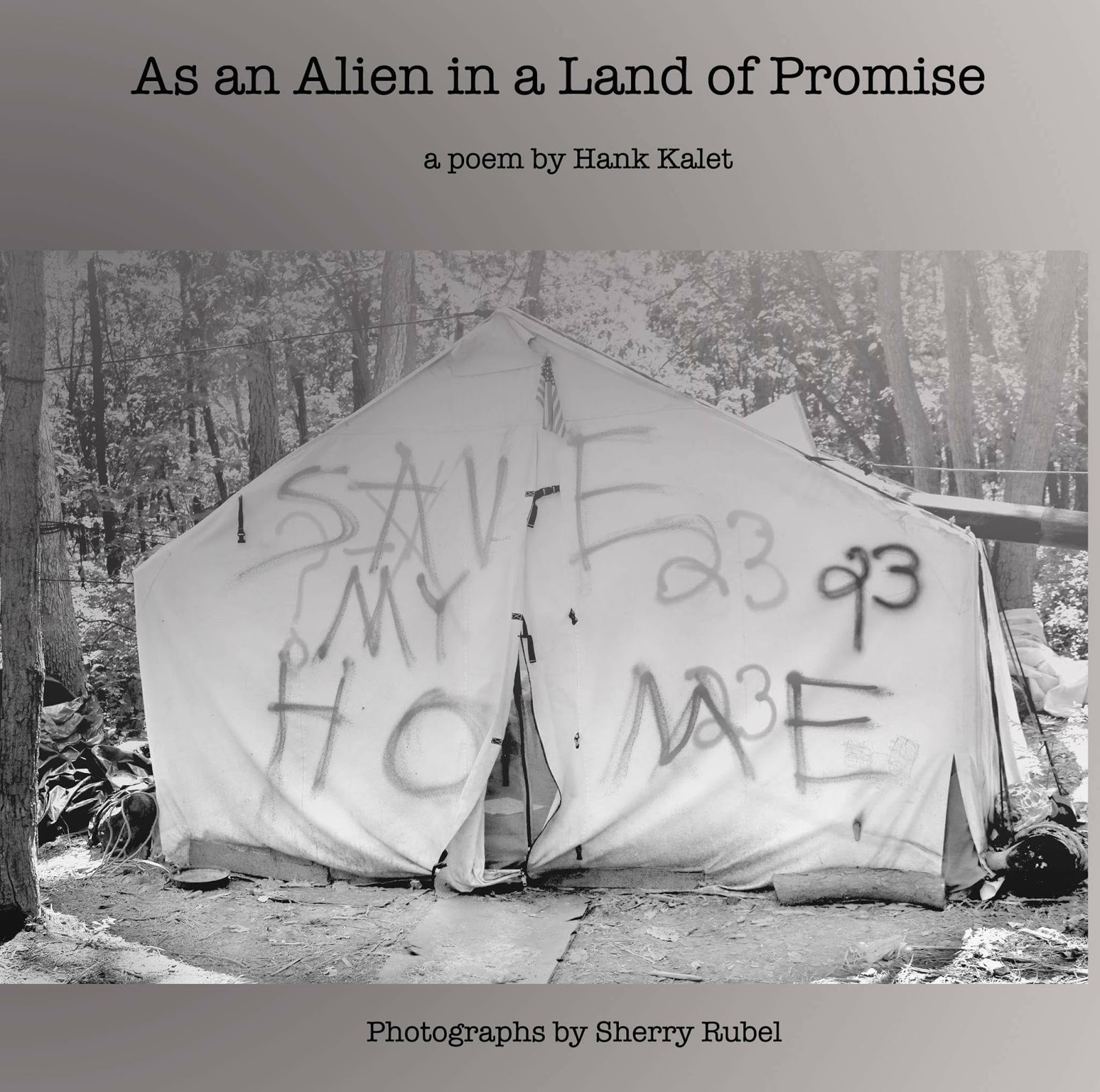
Hank Kalet’s As an Alien in a Land of Promise is a book-length mediation on homelessness and American capitalism. Interspersed with Sherry Rubel’s black-and-white photos, the hybrid work of poetry and journalism tells the stories of those living in a now-defunct homeless camp in central New Jersey, asking why our economic system turns people into refuse.
Based on a year of interviews and research in the former Tent City in Lakewood, Kalet tells the stories of people like Angelo, who lost his job in the crash of 2008, and the musician Michael. Interspersed with their voices – and those of “the pastor,” are writers like Jonathan Kozol and Michael Harrington, whose earlier research informs Kalet’s work.
The poet Eliot Katz, a former advocate for the homeless in New Brunswick, calls the book an “inventive mix of objectivist-influenced, journalistic poems and moving photographs” that “brings real, often-ignored human stories, statistics, and local geographies to life.”
B.J. Ward, author of Jackleg Opera, says Kalet “works in the poetic traditions of the inspired and observant narrator in Whitman’s ‘The Sleepers’ and, with his sense of lineation, Williams’ image-emphasis.”
Kalet is a journalist, essayist and poet, whose work appears regularly in NJ Spotlight and has been published by The Progressive, In These Times, The Progressive Populist, Main Street Rag, Lips, The Journal of New Jersey Poets and elsewhere. He is the auther of Stealing Copper, Certainties and Uncertainties, and Suburban Pastoral.
The book is published by the independent Piscataway House Press.
For more, see asanalieninalandofpromise.wordpress.com/ The book can be ordered at channel-surfing.blogspot.com/p/buy-books-by-hank-kalet.html, from Piscataway House, or Amazon. For press information, contact Hank Kalet at hankkalet@gmail.com. Press kit available upon request.
Send me an e-mail.
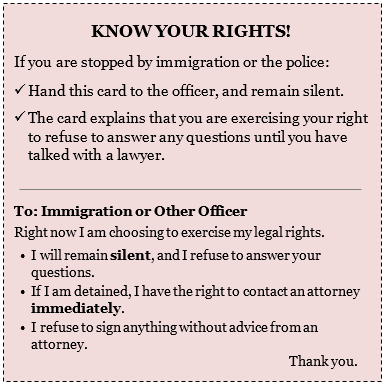
I’ve been asked about this so I thought I would share it here. Even if you are undocumented, you have rights when you are approached by police, immigration or border control agents. The National Immigration Law Center offers this guidance:
There are other things to consider, but which you can find at the NILC site. But these are the basic things you need to know.
Send me an e-mail.

