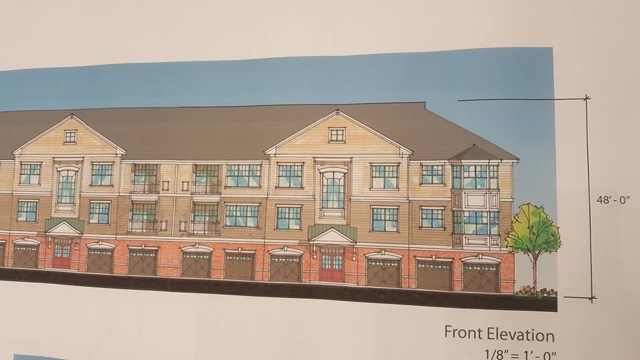
Residents are hoping to squash a plan for a 200-unit housing complex on a 12-acre parcel off New Road – despite repeated rulings on behalf of the developer by the state Superior Court.
The property, known as the Stanton tract, is the remaining portion of a larger parcel and has been the focus of litigation and debate since the early 2000s. In 2006, the township purchased and preserved 90 acres of the property, with the remaining portion serving as a legal and political football over the last decade.
The issues at hand, according to the residents, are:
- the potential increase in traffic on an already busy two-lane New Road. A 200-unit complex, conservatively, is going to add something in the neighborhood of 200 cars to New Road, most at rush hour. Given the back-ups that already exist at Routes 1and 27, this can’t help.
- the shape of the property — i.e., like a flag, with a narrow sliver connecting the bulk of the tract to New Road. That means access to New will be via a single entry point.
- the impact on schools. More housing units is likely to mean more students, they say. (This, to me, is a stretch, and something the courts have never allowed as an argument.)
- and the potential disturbance on the adjacent Superfund site, which has been capped. Residents are worried that construction work could release “dangerous toxins and is definitely not worth the risk to health and property.”
The developer has been fighting rather tenaciously to make this happen, with several plans being floated in an effort to break through the impasse. These have included tying the project to a proposed solar farm on the adjacent landfill — a federal Superfund site — and the inclusion of affordable housing units that could be used to meet the township’s obligation, which the the courts have set at nearly 1,400 units, pending further challenges. That’s a lot of units, and the Stanton Girard plan purports to help the township meet the challenge.
I’m not buying it, but I’m also concerned that the township maybe turning away from what has been one of the more admirable records on affordable housing in the state. Thanks to failures by the state Council on Affordable Housing (its various attempts to quantify need and spread responsibility throughout the state were overly complicated, often unrealistic, and resulted in significant pushback) and multiple governors (Chris Christie’s hostility to COAH and the Mount Laurel rules is legendary), municipalities like South Brunswick were left with little direction, even as the need for housing continued to grow. The result has been a messy attempt to require towns to squeeze 20 years of new housing needs into a new plan.
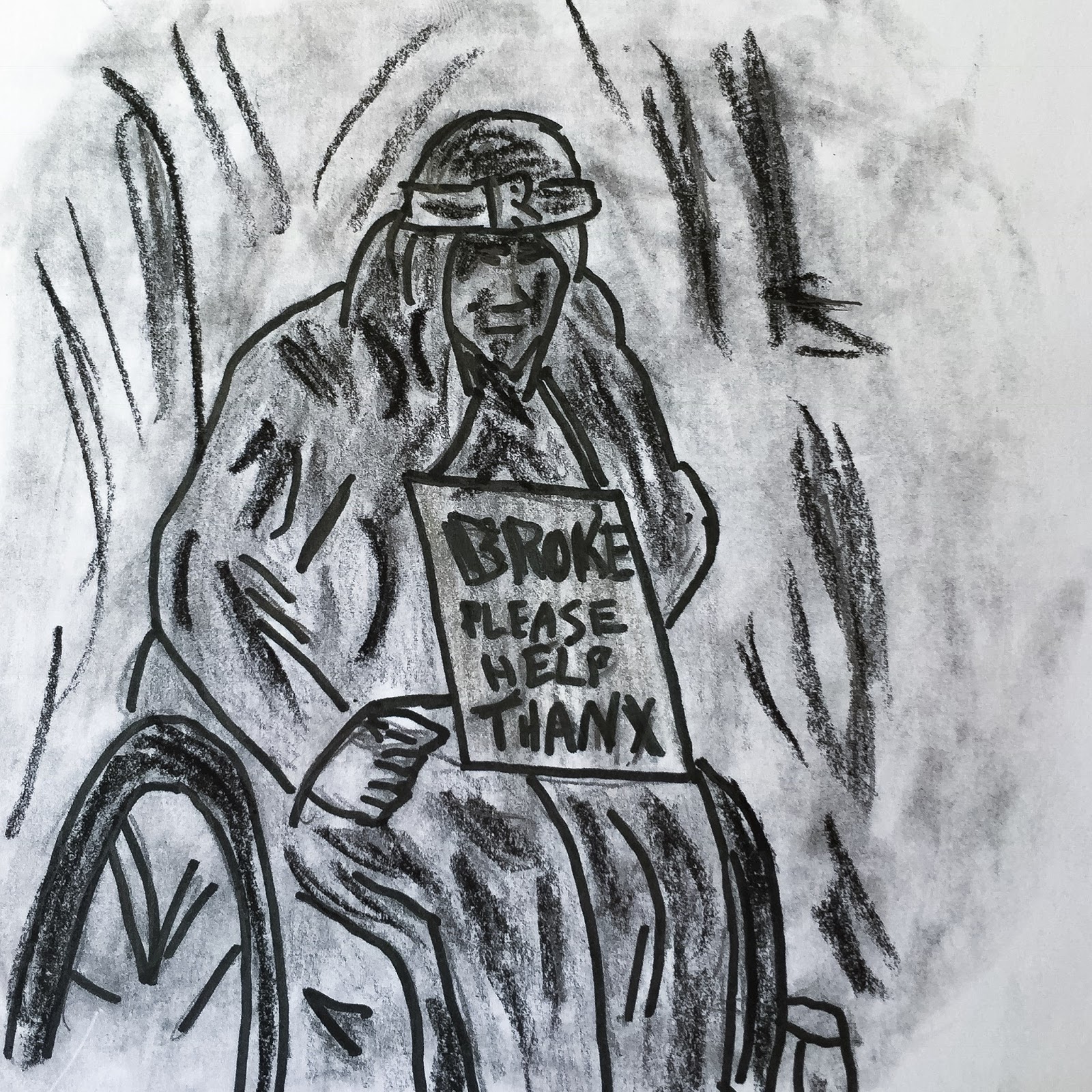
I’ve spent much of the last five years reporting and writing about those at the lowest rungs of the economic ladder — those on state and federal food aid, in homeless camps and shelters, immigrants who have had their wages stolen. Some of these people work in the warehouses along the N.J. Turnpike and deserve better housing than the often subpar apartments they are forced to rent. The amount Laurel decisions and the Fair Housing Act were meant to address this.
South Brunswick must maintain its commitment to building low-income housing and should work with other communities to spread it around the New Jersey, helping to alter the landscape in what is one of the most segregated states in the country.
All of this might point toward approval of the Stanton Girard plan — except that the 12-acre parcel in question is just too small, lacks functional access (without taking property from its neighbors), and will create more problems than it will solve and should be denied. (You can add your voice to the opposition by signing the petition here.
We also need to be realistic. Save purchasing the property and preserving it via a deed restriction, something will be built there. We need to determine what makes the most sense — perhaps a smaller, all-affordable complex — and offer that alternative to the courts.
These are my initial thoughts on this, so if I’ve gotten anything wrong, or neighbors — or the township or builder — have anything to add, let me know.
Send me an e-mail.



 Hank Kalet