
A Long Essay on the Impact of the Nuclear Age on Youth Culture, My Life, and The Beats
͏ ͏ ͏ ͏ ͏ ͏ ͏ ͏ ͏ ͏ ͏ ͏ ͏ ͏ ͏ ͏ ͏ ͏ ͏ ͏ ͏ ͏ ͏ ͏ ͏ ͏ ͏ ͏ ͏ ͏ ͏ ͏ ͏ ͏ ͏ ͏ ͏ ͏ ͏ ͏ ͏ ͏ ͏ ͏ ͏ ͏ ͏ ͏ ͏ ͏ ͏ ͏ ͏ ͏ ͏ ͏ ͏ ͏ ͏ ͏ ͏ ͏ ͏ ͏ ͏ ͏ ͏ ͏ ͏ ͏ ͏ ͏ ͏ ͏ ͏ ͏ ͏ ͏ ͏ ͏ ͏ ͏ ͏ ͏ ͏ ͏ ͏ ͏ ͏ ͏ ͏ ͏ ͏ ͏ ͏ ͏ ͏ ͏ ͏ ͏ ͏ ͏ ͏ ͏ ͏ ͏ ͏ ͏ ͏ ͏ ͏ ͏ ͏ ͏ ͏ ͏ ͏ ͏ ͏ ͏ ͏ ͏ ͏ ͏ ͏ ͏ ͏ ͏ ͏ ͏ ͏ ͏ ͏ ͏ ͏ ͏ ͏ ͏ ͏ ͏ ͏ ͏ ͏ ͏ ͏ ͏ ͏ ͏ ͏ ͏ ͏ ͏ ͏ ͏ ͏ ͏ ͏ ͏ ͏ ͏ ͏ ͏ ͏ ͏ ͏ ͏ ͏ ͏ ͏ ͏ ͏ ͏ ͏ ͏ ͏ ͏ ͏ ͏ ͏ ͏ ͏ ͏ ͏ ͏ ͏ ͏ ͏ ͏ ͏ ͏ ͏ ͏ ͏ ͏ ͏ ͏ ͏ ͏ ͏ ͏
The Atomic Age at 80A Long Essay on the Impact of the Nuclear Age on Youth Culture, My Life, and The Beats
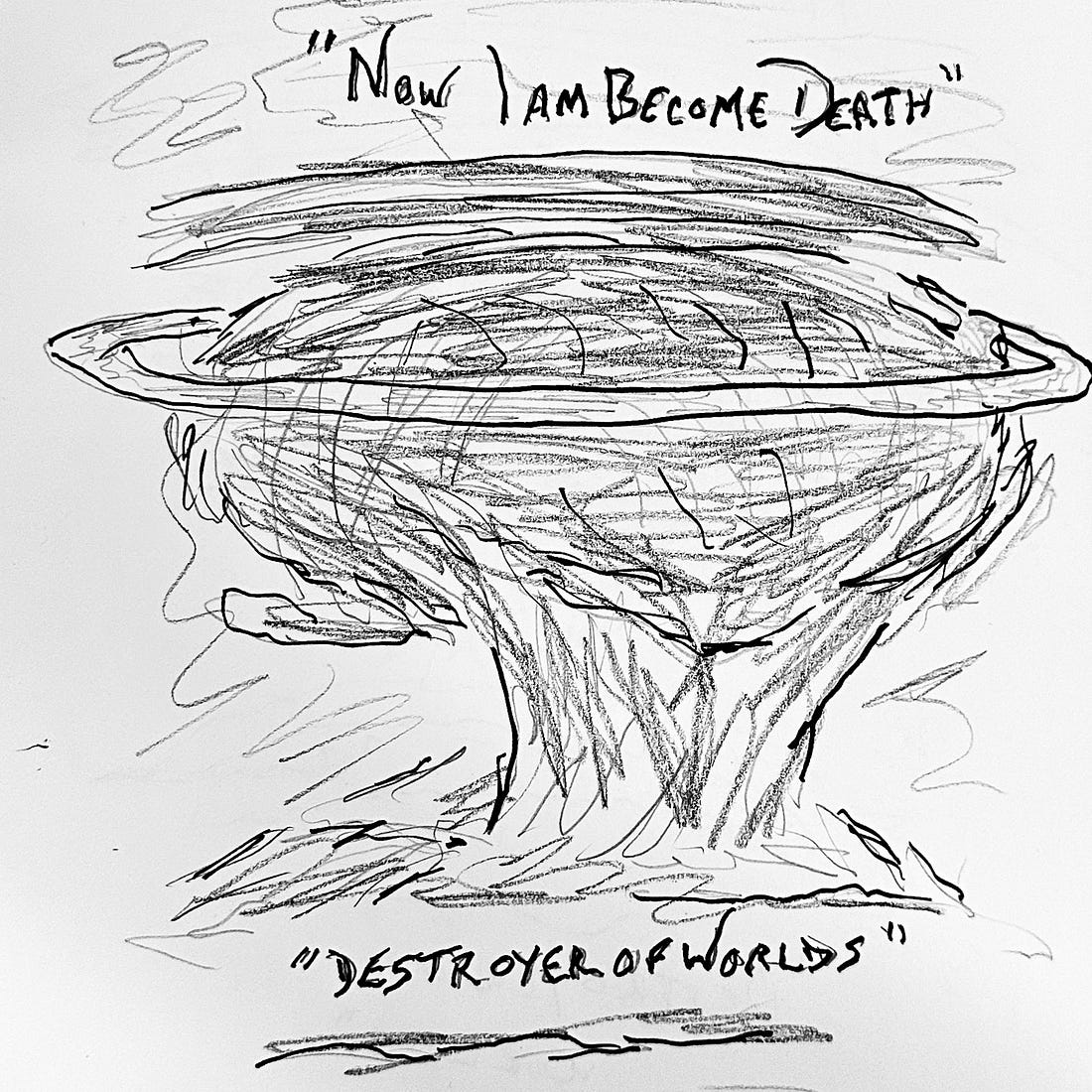
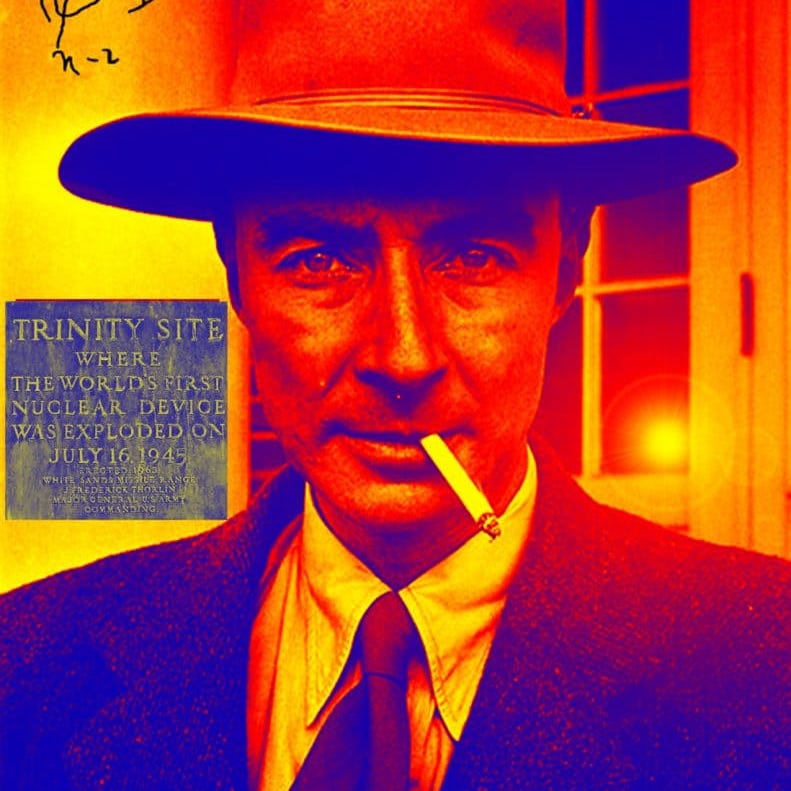
Most of us have lived our lives — since Aug. 6, 1945, when the United States incinerated much of Hiroshima, Japan, with an atomic bomb — under the shadow of armageddon, whether we want to admit it or not. The development of then atomic weapons program, the use of the bomb on Japanese cities and the subsequent campaign to find bigger and more destructive nuclear bombs has been with us, even if we have learned to push the reality to the background. The film Oppenheimer brought the reality back to our consciousness, but in a historical rather than real, immediate way. Iran’s efforts to develop a bomb and join a small coterie of nations with nuclear weapons has the United States (the only nation to use the weapon offensively) and Israel (which is part of the nuclear club) prepared to go to war. India and Pakistan — both with bombs — are in permanent face off. And Vladimir Putin has refused to take nukes off the table in Russia’s war on Ukraine. As Ira Helfand writes in The Progressive, the “the danger of nuclear war is great and growing.”
For the first 40 years of the nuclear age, the threat seemed palpable, but after Reagan-Gorbachev truce on nukes we pretended the threat was minimal, even as neocons were pushing to modernize and expand our arsenal and smaller nations were jumping in. Thanks for reading Channel Surfing! This post is public so feel free to share it. We’ve also not had the reckoning on Hiroshima and Nagasaki that we should, beyond academic efforts. Public debate has been constrained by our hagiographic approach to history, the notion that America as exceptional nation always acts in the best interest of democracy and the world. So we assume the reasons that Harry Truman offered the American public for the bombings were unassailable, though perhaps that is changing.
The essay I’m offering today is part of a larger project that I call Paradise Revisited, a series of essays loosely tied together by a lifetime of reading Jack Kerouac, Allen Ginsberg and other beat writers. It was inspired by the badly flawed Norman Mailer essay, “The White Negro,” which does raise some interesting questions about the impact that the bomb and the Holocaust and their very modern connection to technology and mechanization had on arts and culture.
|



I’m offering it only to paying subscribers, but want to remind readers that they can subscribe for half price and a copy of one of my books here. You can get the link to the essay below the pay wall…

Continue reading this post for free in the Substack app
Claim my free post
Or upgrade your subscription. Upgrade to paid
|
||||||||||
© 2025 Hank Kalet
Email me for address.
Unsubscribe


 Hank Kalet