Socialism for the Rich

A Sunday Afternoon Essay: American Capitalism’s Dynamism is a Myth ‌ ‌ ‌ ‌ ‌ ‌ ‌ ‌ ‌ ‌ ‌ ‌ ‌ ‌ ‌ ‌ ‌ ‌ ‌ ‌ ‌ ‌ ‌ ‌ ‌ ‌ ‌ ‌ ‌ ‌ ‌ ‌ ‌ ‌ ‌ ‌ ‌ ‌ ‌ ‌ ‌ ‌ ‌ ‌ ‌ ‌ ‌ ‌ ‌ ‌ ‌ ‌ ‌ ‌ ‌ ‌ ‌ ‌ ‌ ‌ ‌ ‌ ‌ ‌ ‌ ‌ ‌ ‌ ‌ ‌ ‌ ‌ ‌ ‌ ‌ ‌ ‌ ‌ ‌ ‌ ‌ ‌ ‌ ‌ ‌ ‌ ‌ ‌ ‌ ‌ ‌ ‌ ‌ ‌ ‌ ‌ ‌ ‌ ‌ ‌ ‌ ‌ ‌ ‌ ‌ ‌ ‌ ‌ ‌ ‌ ‌ ‌ ‌ ‌ ‌ ‌ ‌ ‌ ‌ ‌ ‌ ‌ ‌ ‌ ‌ ‌ ‌ ‌ ‌ ‌ ‌ ‌ ‌ ‌ ‌ ‌ ‌ ‌ ‌ ‌ ‌ ‌ ‌ ‌ ‌ ‌ ‌ ‌ ‌ ‌ ‌ ‌ ‌ ‌ ‌ ‌ ‌ ‌ ‌ ‌ ‌ ‌ ‌ ‌ ‌ ‌ ‌ ‌ ‌ ‌ ‌ ‌ ‌ ‌ ‌ ‌ ‌ ‌ ‌ ‌ ‌ ‌ ‌ ‌ ‌ ‌ ‌ ‌ ‌ ‌ ‌ ‌ ‌ ‌ ‌ ‌ ‌ ‌ ‌ ‌

Open in app or online
https%3A%2F%2Fbucketeer-e05bbc84-baa3-437e-9518-adb32be77984.s3.amazonaws.com%2Fpublic%2Fimages%2Faccc1cb0-1b47-4c3e-bb52-4a573ab21055_2042x681.png

Socialism for the Rich

A Sunday Afternoon Essay: American Capitalism’s Dynamism is a Myth

Hank Kalet
Apr 23
Preview
https%3A%2F%2Fbucketeer-e05bbc84-baa3-437e-9518-adb32be77984.s3.amazonaws.com%2Fpublic%2Fimages%2Fdb315133-f22a-43f3-9e10-f0e597f1abcc_808x808.jpeg

Share

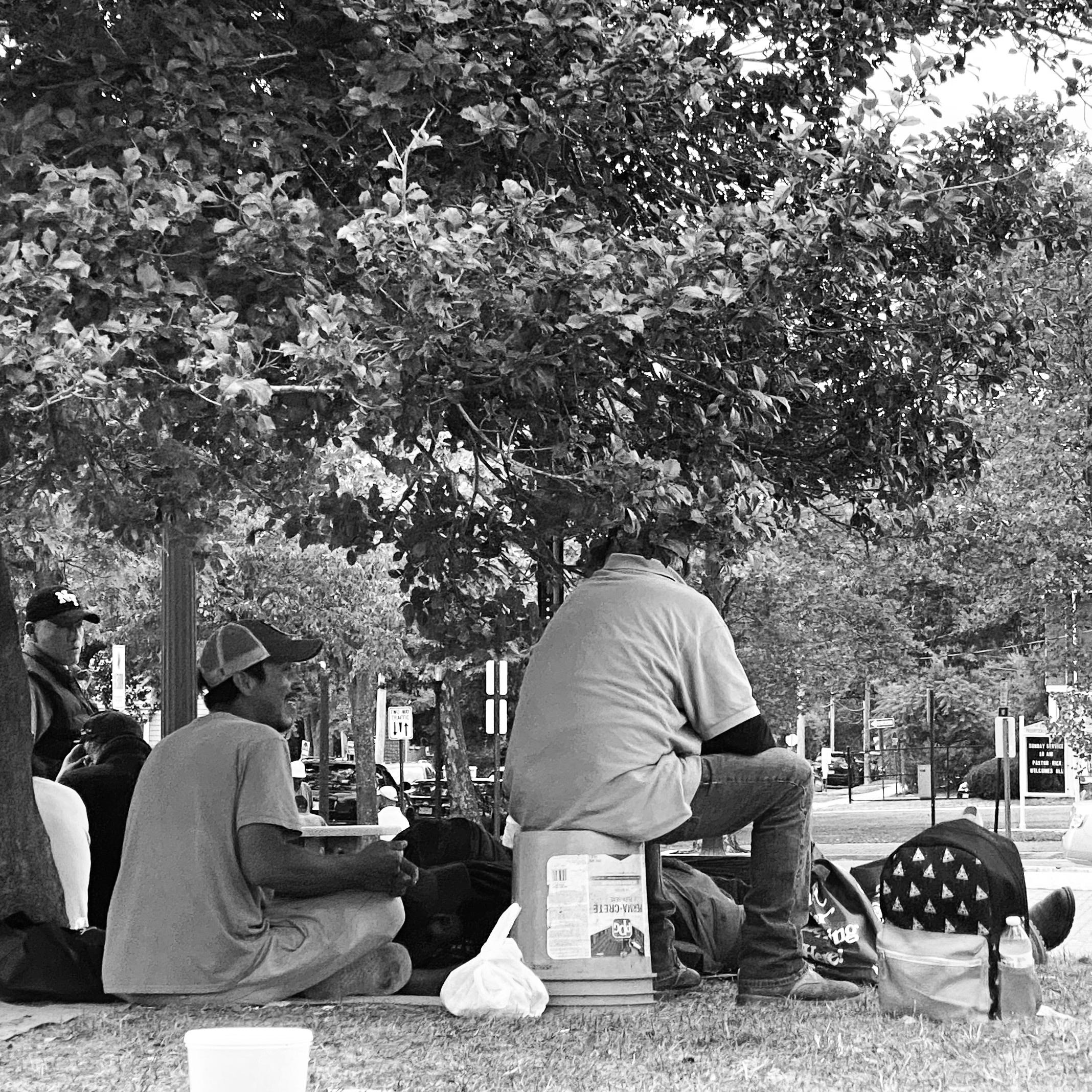
Immigrant laborers in Lakewood, NJ, muster for jobs. (Hank Kalet, 2022)
If one wants to understand how American capitalism truly functions, one needs to go back three years to the height of the pandemic.

It seems so distant now, but the failures of our economic system were laid bare at the time — the reliance on low-wage and vulnerable labor, the supply chains that ground to a halt, the failure to have enough personal protective equipment on hand, combined to send unemployment rocketing upward on a par with the rising death toll.

Upgrade to paid

People like Rigoberto Mejia,

kaletwrites
https%3A%2F%2Fsubstack-post-media.s3.amazonaws.com%2Fpublic%2Fimages%2F__ss-rehost__IG-CAdGcdUBHnC.jpgA post shared by Hank Kalet (@kaletwrites)

a truck driver I talked with, spent their adult life working but found themselves on the sidelines during Covid. I interviewed Mejia and others in 2020, and his story is fairly emblematic of the stories at the margins.

The construction company he drove for closed. He lost his job. Got Covid. He was in the United States on “temporary protective status,” a refugee from violence in Honduras.

In some ways, Mejia is an example of the dynamism of the American economy. He arrived in the nineties, paid taxes, worked hard, and bought a house. In other ways, he is an unfortunate reminder of capitalism’s shortcomings, a victim not only of the pandemic but of the shortsightedness of the American healthcare system and its thirst for profits. A victim, as well, of an immigration system that forces many into the underground economy. He qualified for unemployment, but his wife — who is undocumented— didn’t. They earned too much for basic assistance, and we forced to rely on charity.

Interested in Syndication?

Books by Hank Kalet

Keep reading with a 7-day free trial

Subscribe to Channel Surfing to keep reading this post and get 7 days of free access to the full post archives.

Start trial

A subscription gets you:

Subscriber-only posts and full archive
Post comments and join the community
Get a copy of As An Alien in a Land of Promise.
Like
Comment
Restack

Join Channel Surfing in the app
Chat with the community, interact with Hank Kalet, and never miss a post.
Get the iOS appGet the Android app

© 2023 Hank Kalet
Email me for address.
Unsubscribe

Start writing

Unknown's avatar

Author: hankkalet

Hank Kalet is a poet and freelance journalist. He is the economic needs reporter for NJ Spotlight, teaches journalism at Rutgers University and writing at Middlesex County College and Brookdale Community College. He writes a semi-monthly column for the Progressive Populist. He is a lifelong fan of the New York Mets and New York Knicks, drinks too much coffee and attends as many Bruce Springsteen concerts as his meager finances will allow. He lives in South Brunswick with his wife Annie.

Leave a comment