
I thought I was a beat, but I was just a boy
Notes on Re-Reading Kerouac in my 50s
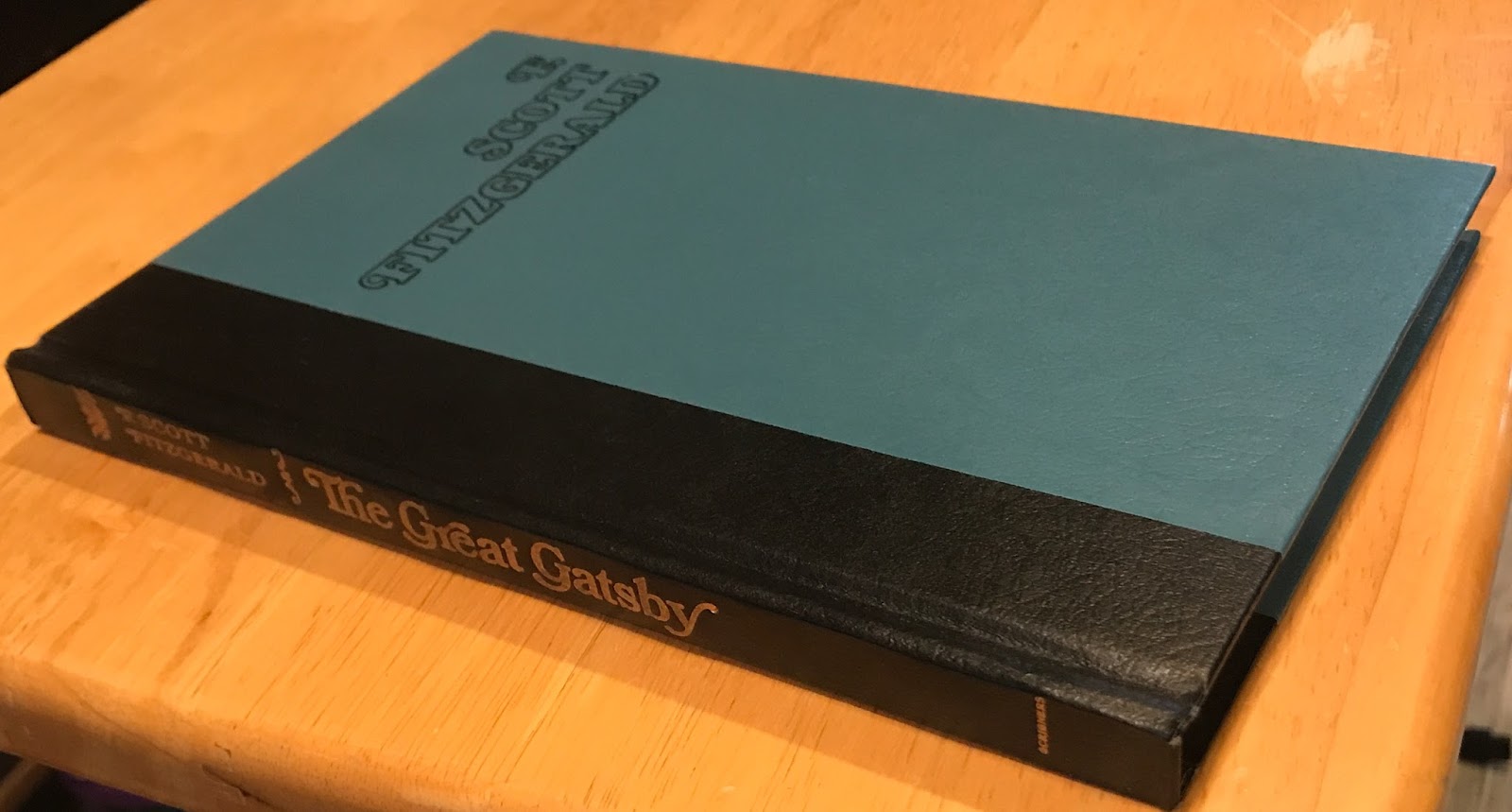
I was listening to a public radio program on The Great Gatsby, which features readings from the book by Scott Shepherd. Gatsby is taught in high schools and colleges, has been made into film (neither fully capturing its resonance), and is regarded today as not just iconic but an important step in the development of American literature.
Gatsby is a romance of America, of a moment in American history. It is the Jazz Age — a time of extreme wealth for some, of hedonism for the young and not so young. Gin flowed freely, even as Prohibition drove it underground. American was fast moving toward a finance-driven economy — a trend that would be interrupted by the Great Depression and World War II but would pick up again in the late 1960s.
Gatsby predates publication of On the Road by 30 years, the events of both novels are separated by about 25 years. Yet, they share a common bloodline, and not only because both have attained iconic status or because their authors seem to share a psychic connection. Both novels are unflinchingly American — Gatsby in its use of the Horacio Alger trope, which Fitzgerald dismantles as the novel’s greed and hedonism moves toward failure and depression (and the nation does the same).
Gatsby‘s critique is up front. From it’s beginning, there is a mix of fascination and revulsion, its narrator both a part of the scene and standing outside. It is Nick Carroway’s novel, written in the first person. It is Nick’s voice throughout, and Nick is both transfixed by and suspicious of the mysterious Jay Gatsby, his desire for the married Daisy, and the excesses their wealth and desires generate. Gatsby is a dark vision of he American Dream and of the first stages of the transformation from agrarian nation to urban/suburban one, at least as it concerns what we now call the 1 percent, and uses the romantic mythology Americans already had developed about ourselves as ironic counterpoint to the ultimate emptiness that Gatsby finds in his life. This irony gives the slim book — which critics originally viewed as lacking substance — real heft, and it’s why I think it still resonates even as the hedonism at its core makes it seem of a piece with On the Road as a young man’s novel.
On the Road lacks the ironic counterpoint and, while great sadness is a thread throughout he novel, it is a personal sadness, as opposed to a more broadly cultural one. Kerouac through Sal — it is important to note here that conflating writer and character is usually dangerous, but not in Kerouac’s novels, which are thinly veiled memoirs — remains in thrall to an American night, a “complete night that blesses the earth,” even as we can’t know what the world has in store.
It is a different vision, to be sure, than the one with which Nick leaves us, a dream already in the past, “somewhere back in that vast obscurity beyond the city, where the dark fields of the republic rolled on under the night” (159).
Send me an e-mail.

 Hank Kalet