
History always constitutes the relation between a present and its past. Consequently fear of the present leads to mystification of the past.
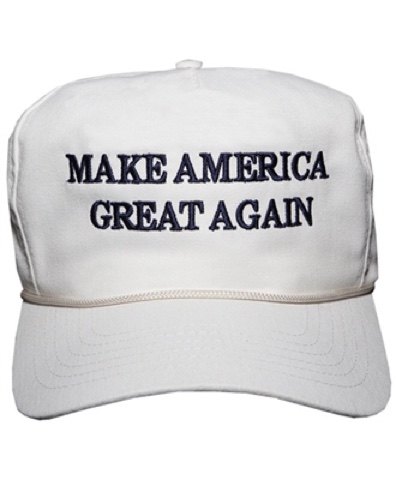
Berger’s analysis offers a window into the 2016 election, which has been one of the more myth-based in recent memory. The use of the phrases “taking America back” and “make America great again” — by both sides (see my Progressive Populist column from a few months ago — plays on a mythical American past of equality, economic justice, and moral certitude, based on a distorted history that excludes large swathes of the American population. America’s greatness, in this narrative, is the greatness of military prowess and industrial might, a narrative tied to a very narrow window starting with World War II and ending during the 1960s, one that consigns the struggles of African Americans and other disenfranchised groups to footnote status.
The Trump phenomenon, which is the defining story of the 2016 race is based on class and race resentment, a sense that something has been taken away and given to others who are less deserving. It is a false narrative, a myth, that grants dispossessed (mostly) whites a target for their resentment. Trump’s backers are situating themselves within the myth, which distorts their vision of the past and prevents them from pointing their anger at the real culprits for their current state.
Whatever gains were made by (mostly) white, (mostly) male workers during the middle of the 20th Century were made because the labor movement had gained traction. Business — and government — seeking peace at a time of relative prosperity — agreed to a truce and let (mostly male and white) workers have a seat at the table. But this truce was built on a foundation of segregation. Roosevelt’s New Deal needed the votes of Southern Jim Crow Democrats to make it through Congress, meaning many of its provisions were designed not to apply to African Americans. Up north, as Ta-Nehisi Coates pointed out in his important “The Case for Reparations,” a variety of laws and business practices conspired to keep prosperity from flowing beyond white neighborhoods.
An American history that does not acknowledge these wounds is not an honest history and does not allow us to situate ourselves properly. A myopic American history, therefore, is a mystified American history that leaves those who see the past with these blinders vulnerable to snake oil salesmen like Trump.

 Hank Kalet