
I’ve been trying to think of what I can say about The Dark Knight Rises aside from that it was a fun ride with some good scenes. It is a good film, but not a great film. It features odd plot twists and a boatload of action, though it slows in some spots.
It is thrilling and completely implausible (the cops keep walking into traps) and, unlike The Dark Knight, wholly dependent upon having seen the first two films of the franchise.
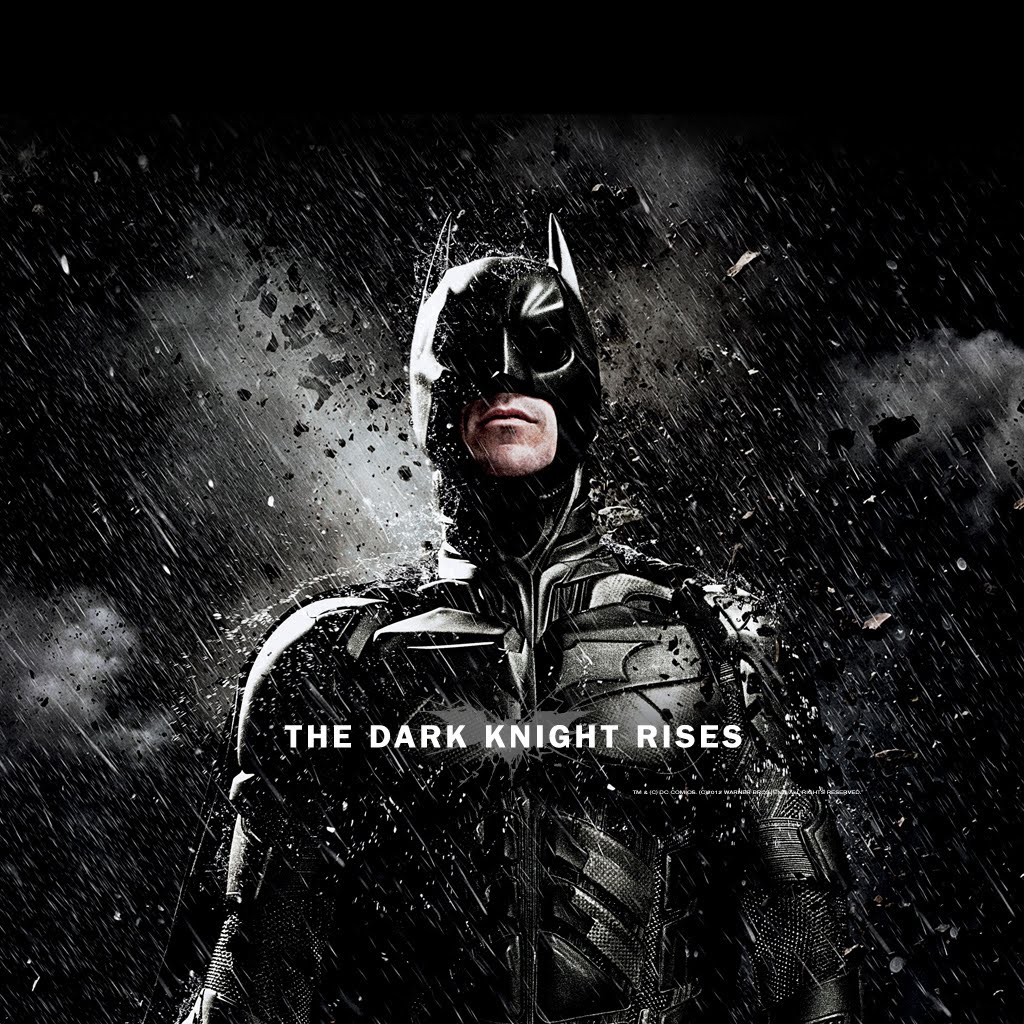
But that’s not what I’ve been thinking about. What strikes me about the film – and about the Dark Knight series overall – is its defense of elites and noblesse oblige. This is not foreign to the super hero genre, which posits the notion of a world in disarray and in need of a singular, super-powered individual to step up and save it.
What separates the Dark Knight Batman series from the other examples of the genre – The Avengers, Iron Man, the earlier (and inferior) Batman films of the ’90s – are several things: Bruce Wayne’s background (not only s he the scion of a rich family, but his father makes it clear during the first film that the family’s wealth creates an imperative for them to do things to help others) and this final film’s use of elements of the French Revolution (the citizen trials of the rich for their crimes against society presided over by the villain from the first film makes it clear that the director views the trials and the complaints as illegitimate).
One exchange stands out for me. Bain, one of the film’s chief villains, has taken over the stock exchange. Outside, the exchange’s manager implores the police to act, saying that it is not just the exchange’s money but everyone’s. A police officer responds that it isn’t his – he keeps his in his mattress – which leads the exchange manager to reply that the cop’s cash will be worth a whole lot less if the theft is successful.
It is a version of the argument the financial industry used in 2008 as the mix of misdeeds and bad bets joined to crater the economy. The bailouts followed, likely preventing further damage, but they came without any cost to the people who engineered the original failure.
This is pretty typical of the film’s overall argument. The Nolans consistently counter populist claims with elite defenses. In fact, The Dark Knight Rises posits a world in which elites do battle, in which only the elites have a say (the closest we get to an exception to this rule is with Catwoman and Blake, though they have little impact on the final outcome, which is all Batman).
I guess my reaction to the film is consistent with my reactions to all three films in the franchise and my reaction to most superhero films (aside from the first Sam Raimi Spider-Man), which can be boiled down to this: I enjoy the adrenaline rush, but I abhor the politics.
- Send me an e-mail.
- Read poetry at The Subterranean.
- Certainties and Uncertainties a chapbook by Hank Kalet, will be published in November by Finishing Line Press. It can be ordered here.
- Suburban Pastoral, a chapbook by Hank Kalet, available here.

 Hank Kalet